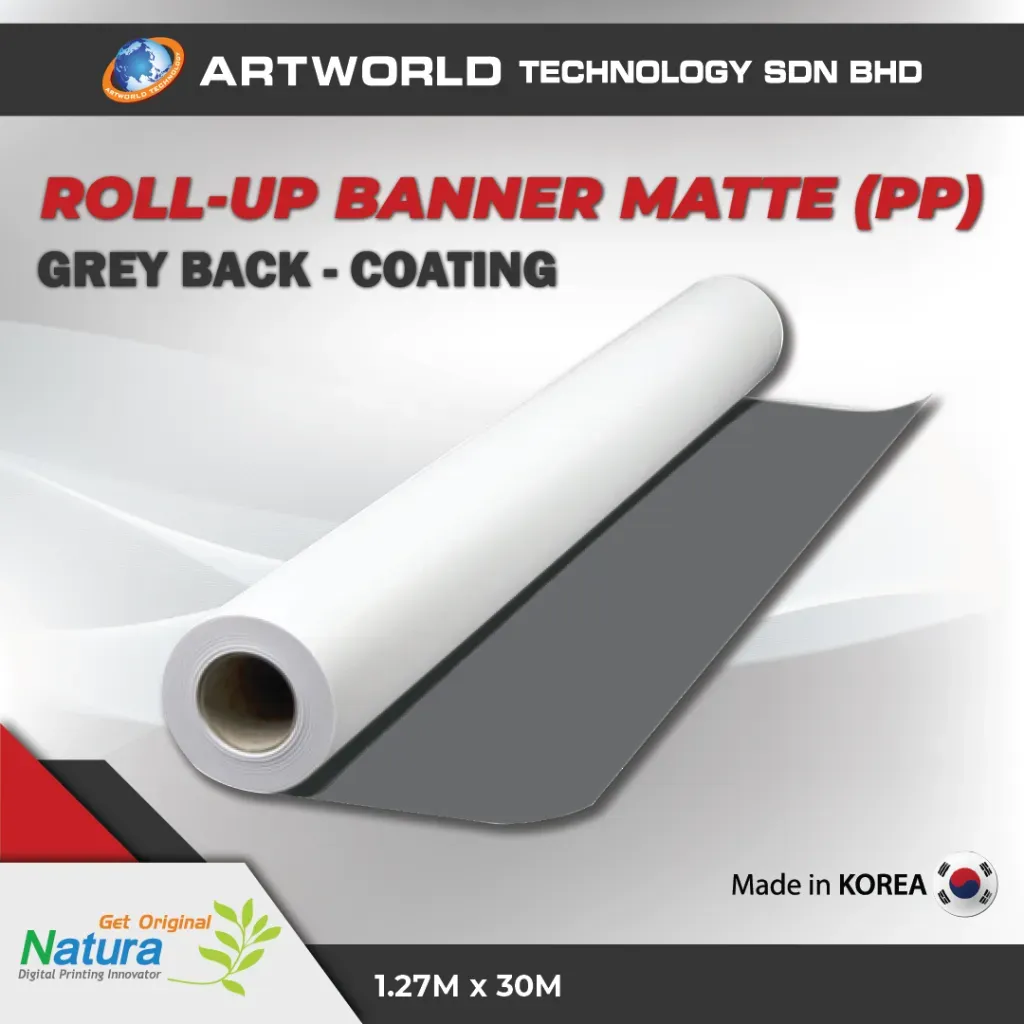
Roll-up banner materials form the foundation of portable, high-impact signage for events, retail spaces, and press briefings. Choosing options like PVC roll-up banners or polyester banner material directly influences print fidelity, durability in transit, and total lifecycle cost. The right selection balances appearance with practicality, as some fabrics offer a premium fabric banner material while others deliver greater stiffness and wind resistance for outdoor use. Understanding the tradeoffs between vinyl roll-up banners and fabric options helps buyers align branding goals with real-world performance. By evaluating durable banner materials and matching them to your venue, you can maximize impact, longevity, and budget efficiency.
Viewed through a broader lens, the discussion centers on signage substrates and display media used in portable promotions. Beyond plain text on a banner, advertisers consider vinyl-backed options, fabric textiles, and blends that influence print sharpness, fold resistance, and outdoor survivability. These materials, sometimes described as banner substrates or textile displays, determine how colors render, how the sign handles crowd movement, and how often it can be reused across events. Selecting the right material means balancing weight, durability, and cost while preserving brand consistency across venues.
Understanding Roll-up banner materials: PVC, Polyester, Fabric and More
Roll-up banner materials form the foundation of how your sign performs once deployed. The choice influences print sharpness, transportability, setup ease, and the overall lifecycle cost. When buyers discuss materials, they’re weighing how a sign will hold up from crowded trade shows to windy outdoor plazas.
This guide contrasts PVC, polyester, fabric, and other options, detailing how each stacks up for indoor versus outdoor use, brand appearance, and budget. By understanding the strengths and tradeoffs of different media, you can select roll-up banner materials that look great, travel well, and last longer.
PVC Roll-up Banners: Durability, Print Fidelity, and Practical Trade-offs
PVC roll-up banners, often referred to as vinyl, remain a go-to choice for many exhibitors due to their crisp print fidelity and stiff backing. They deliver sharp text, vivid colors, and reliable readability on busy show floors, with a surface that resists creasing when rolled and unrolled repeatedly.
Trade-offs include environmental considerations, potential wrinkle visibility if stored improperly, and the heavier weight that can affect shipping. For brands seeking a softer, less glossy look, PVC’s durability can feel less premium than fabric options, especially under certain lighting conditions.
Polyester Banner Material: Wrinkle Resistance, Lightweight Portability, and Color Quality
Polyester banner material strikes a balance between weight, durability, and print quality. Its wrinkle resistance helps banners maintain a smooth appearance during setup and throughout multiple event cycles, while remaining easier to ship and store than heavier PVC options.
Polyester media supports multiple printing methods, including dye-sublimation and direct-to-media UV printing, enabling strong color reproduction on matte or satin finishes. While it offers a premium fabric feel, the texture can slightly affect perceived sharpness in high-contrast designs compared with smooth vinyl.
Fabric Banner Material: Premium Look, Soft Hand, and Reusability
Fabric-based media, often a polyester blend, is favored where color accuracy, throw distance, and a premium tactile impression matter. Dye-sublimation on fabric yields rich, smooth color transitions that are especially effective for photography and brand imagery.
Fabric banners tend to hold their shape well and resist curling after repeated roll-and-unroll cycles, contributing to a modern, upscale display. However, fabrics can be more prone to snagging or staining in harsher environments and typically require gentler cleaning to preserve the fabric’s finish.
Indoor vs Outdoor Use: Choosing the Right Material for Your Roll-up Banners
The use case strongly determines material choice. Indoor displays benefit from media with high color fidelity and lower glare, while outdoor signage demands UV and water resistance as well as robust physical durability. Selecting durable banner materials that tolerate handling and environmental exposure can extend the life of a single sign.
A practical approach is to mix media based on deployment. For example, PVC roll-up banners can be excellent for high-visibility outdoor displays, while fabric or polyester options may suit in-store showcases where a premium feel and reuse are prioritized, balancing durability with cost.
Care, Maintenance, and Total Cost of Roll-up Banner Materials
To maximize lifespan, handle roll-up banners with care: roll with the graphic facing inward, store in protective tubes, and avoid harsh solvents when cleaning. Regularly inspect for dings, creases, or ink issues, and ensure banners are completely dry before storage to prevent mold.
Cost considerations vary by media. PVC vinyl banners are often cheaper upfront and heavier, which can affect shipping but deliver reliability for frequent use. Polyester and fabric banners may incur higher upfront costs due to production and printing methods, yet they frequently provide longer usable life and better color depth, supporting a lower total cost of ownership over time, especially in high-traffic or multi-event environments.
Frequently Asked Questions
What are the key differences between PVC roll-up banners and fabric banner material for roll-up signage?
PVC roll-up banners offer a rigid, durable surface with high print fidelity and a glossy finish, making logos pop at indoor events. They’re heavier and less prone to wrinkles but can feel less premium and raise environmental concerns. Fabric banner material provides a soft hand, excellent wrinkle resistance, and a matte, glare-reducing appearance, with lighter weight and strong durability over repeated roll/unroll. Use PVC for sharp text and bold colors indoors; choose fabric for premium aesthetics and long-term reuse.
How does polyester banner material compare to fabric banner material for roll-ups in terms of wrinkle resistance and portability?
Polyester banner material is lightweight and highly wrinkle resistant, making it easy to transport and store. It prints well with dye-sublimation or UV inks and typically offers a matte or satin finish with strong color. Fabric banner material adds a premium fabric feel and can deliver excellent color depth with dye-sublimation, but may attract dust and require gentler cleaning. In short: polyester excels for portable, cost-effective signage; fabric offers premium appearance and reuse potential.
Are PVC roll-up banners suitable for outdoor use, and what other durable banner materials perform well outside?
PVC roll-up banners can be used outdoors when the media has UV and weather resistance, but prolonged exposure may fade or warp. For longer outdoor life, rely on durable banner materials such as vinyl-coated fabrics or polyester fabrics with outdoor coatings and UV stabilizers. Pair with a sturdy base and wind-aware setup for best performance.
What factors influence cost and lifecycle for roll-up banner materials like PVC roll-up banners, polyester banner material, and fabric banner material?
Cost and lifecycle depend on upfront material cost, weight and shipping, durability and expected reuse, printing method, and environmental exposure. PVC roll-up banners are typically cheaper per unit but heavier and less eco-friendly; polyester banner material balances cost and durability; fabric banner material often costs more upfront but lasts longer with repeated use.
How do printing technologies affect material choice for roll-up banners, such as UV printing on PVC or dye-sublimation on fabric?
UV printing on PVC media yields bright colors and crisp edges with a glossy finish, ideal for controlled lighting indoors. Dye-sublimation on fabric banner material provides rich color depth and a soft hand, great for photographic imagery. Direct-to-media inkjet is versatile for vinyl and fabric, but coatings and finishes (lamination) influence durability and outdoor performance.
What care and storage tips maximize the life of roll-up banner materials such as PVC roll-up banners, polyester banner material, and fabric banner material?
Roll banners with the graphic facing inward and store in protective tubes; clean with a soft damp cloth and avoid harsh solvents; store in a cool, dry place away from direct sunlight; ensure completely dry before rolling; inspect for creases or loose inks and rotate displays to balance wear.
| Topic | |
|---|---|
| PVC roll-up banners (Vinyl) | • Print fidelity: high-resolution inks; crisp text and vivid colors. • Rigidity/protection: sturdy surface that resists bending; good for frequent roll/unroll. • Indoor reliability: minimal warping in humidity or light impacts. • Weight/portability: heavier, contributing to premium feel and shipping impact. • Trade-offs: eco considerations, wrinkle visibility, and potentially glossy/rigid look compared with fabrics. |
| Polyester banner material | • Wrinkle resistance; holds shape well. • Lightweight and cost-effective; easier to ship/store; reduces long-term costs. • Wide printing compatibility: dye-sublimation and direct-to-media UV printing; good color on matte/satin finishes. • Premium fabric feel in some contexts; texture conveys quality. |
| Fabric banners (polyester blends) | • Superior color rendition via dye-sublimation; rich, vibrant colors. • Reusability: retains shape; resistant to stretching/curling after repeated roll/unroll. • Modern aesthetic: soft, matte surface reduces glare. • Trade-offs: less durable in harsh environments; cleaning requires care. |
| Other media options and blends | • Vinyl-coated fabrics blend rigidity with fabric-like print quality. • Polyester-cotton blends balance texture and cost. • Specialty coatings offer UV/water resistance. |
| Choosing the Right Material for Your Use Case | • Indoor vs outdoor: UV/water resistance for outdoors; color accuracy/finish for indoors. • Frequency of use: frequent travelers may favor lightweight fabrics or composites. • Print quality needs: small type/fine lines prioritize high fidelity media. • Budget and lifecycle: PVC is durable but heavier/less eco-friendly; fabric can cost more upfront but lasts longer. • Branding style: glossy vinyl for bold modern look; matte fabric for refined appearance with less glare. |
| Care, maintenance, and storage | • Roll with care: keep graphic inward; use tubes/sleeves. • Clean gently: soft damp cloth; avoid harsh solvents. • Store properly: cool, dry place away from direct sun. • Dry before storage; inspect for dings/creases; rotate displays to optimize longevity. |
| Cost considerations and total value | • PVC: generally affordable per unit but heavier; environmental considerations. • Polyester/fabric: higher upfront cost but durable; long-term value via color quality and reuse. • Coatings/fabrics: higher-end options extend life in high-traffic or outdoor settings. • Strategy: mix media (PVC for outdoor, fabric for in-store) to balance durability, appearance, and cost. |
| Environmental and sustainability notes | • Recyclability: PVC often recyclable in some regions; fabric banners easier to repurpose depending on fiber/coating. • Inks/coatings: water-based vs UV-curable inks have different environmental footprints. • Longevity/reuse: longer-lasting media reduces waste. • Transparency: seek suppliers that disclose material composition and end-of-life options. |
| Printing technology and how it affects material choice | • UV printing on PVC yields strong, durable colors with gloss. • Dye-sublimation on fabric provides depth and soft hand. • Direct-to-media inkjet is versatile for vinyl/fabric; coating/ink compatibility matters. • Finishing (lamination/edge sealing) can boost outdoor durability and color retention. |
Summary
Table summarizes the key material choices for Roll-up banners, including PVC, polyester, fabric, and other blends, along with considerations for care, cost, sustainability, and printing technology. The conclusion follows.