
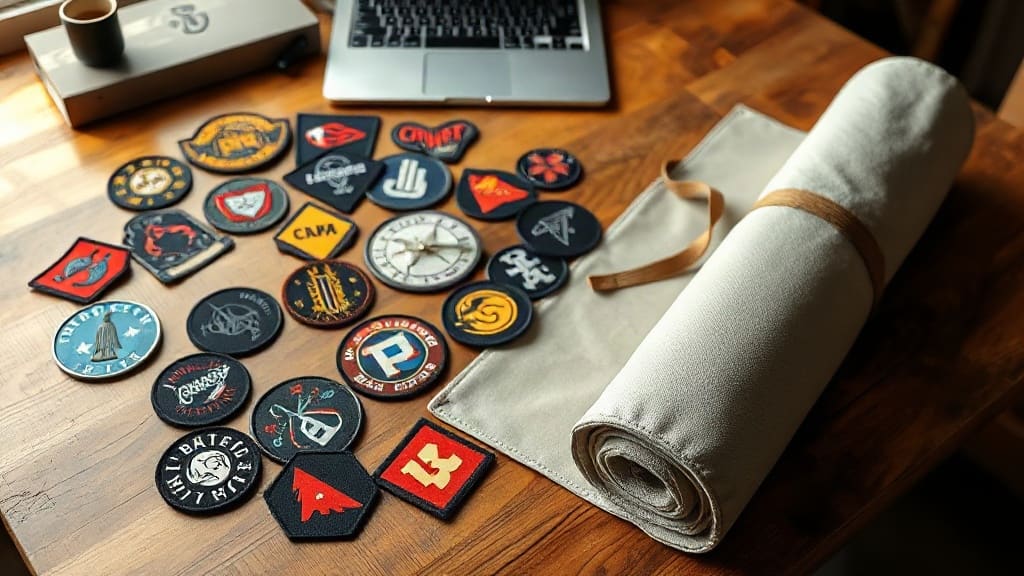
If you have ever wanted to turn your artwork into a physical product without holding inventory, print on demand is the model that makes it possible. It lets you upload a design, and when someone orders, the item is printed and shipped directly to them. In this guide, we focus on two product types that often get overlooked but offer excellent margins: custom patches and custom banner printing. Whether you are an artist, a small business owner, or someone looking to launch a side hustle, understanding how these products work within a print on demand framework can save you time and money.
What Is Print on Demand and Why It Matters
Print on demand (POD) is a fulfillment method where products are created only after an order is placed. This eliminates the need for bulk inventory, upfront printing costs, and storage space. For creators, it opens the door to selling a wide range of items, from t-shirts to mugs, without risking capital on unsold stock. The model has grown in popularity because it pairs well with e-commerce platforms and social media marketing. You design, list, and promote; the POD provider handles printing, packing, and shipping.
How POD Works Step by Step
The process is straightforward. First, you create your design using graphic software or AI tools. Then you upload it to a POD platform that offers the products you want. You set your retail price, and when a customer buys, the platform charges you the base cost and sends the item to production. Tracking and customer service are usually managed by the platform, though some providers offer white-label options. The key advantage is scalability: you can test dozens of designs without financial risk.
Custom Patches: Small Products with Big Potential
Custom patches are embroidered or printed pieces of fabric that can be attached to jackets, hats, bags, or uniforms. They have a loyal following among hobbyists, clubs, and brands. In a POD context, patches are typically made using dye sublimation or direct-to-garment printing, though true embroidery is also available through specialized services. The most common materials are twill, felt, and canvas. Each has a distinct look and feel, and the choice affects durability and cost.
Types of Custom Patches You Can Offer
- Embroidered patches: Classic look, very durable, best for logos with solid colors and simple shapes.
- Printed patches: Ideal for detailed artwork, gradients, and photos; produced via dye sublimation.
- Woven patches: Finer detail than embroidery, great for small text and intricate designs.
- PVC patches: Waterproof and flexible, popular for outdoor gear and tactical use.
When you offer custom patches through a POD service, you need to consider the minimum order quantity (MOQ). Many POD platforms have no minimum, but traditional patch manufacturers often require 50 or 100 pieces. This is where print on demand shines: you can sell one patch at a time. However, not all POD providers offer patches, so you may need to partner with a specialized supplier that integrates with your store.
Design Tips for Patches
Because patches are small, simplicity wins. Avoid tiny text and overly complex gradients unless you choose printed patches. Bold outlines and high contrast help the design read well from a distance. Also, think about the border: a merrowed edge gives a classic finish, while a laser-cut edge is cleaner for modern designs. Test your design on a mockup before listing it. Most POD platforms provide digital mockups that show how the patch will look on a jacket or bag.
Custom Banners: Large Format, High Impact
Custom banner printing is another category that fits well with print on demand. Banners are used for events, storefronts, trade shows, and online advertising. In a POD setup, you can offer banners in various sizes and materials, from vinyl to mesh to fabric. The production process involves large-format printers that use eco-solvent or UV-curable inks. These inks are durable and weather-resistant, making them suitable for outdoor use.
Popular Banner Materials and Their Uses
- 13 oz vinyl: The standard for outdoor banners; durable and affordable.
- Mesh banner: Allows wind to pass through, ideal for fences and building wraps.
- Fabric banner: Premium look, often used indoors for trade shows and backdrops.
- Blockout banner: Double-sided printing with a black layer in between to prevent show-through.
When you sell custom banner products via POD, you must handle file setup correctly. Banners require high-resolution images (at least 150 DPI at full size) and proper bleed margins. Many POD platforms provide templates and automated preflight checks to catch errors. If you are new to large-format printing, start with a small size like 2x4 feet to test the waters.
How to Price Custom Banners for Profit
Pricing is a balance between covering base costs and staying competitive. A typical 3x6 foot vinyl banner might cost you $20 to $30 from a POD supplier. You could sell it for $60 to $90, depending on your market. Remember to factor in shipping, which can be significant for large items. Offering free shipping by building it into the price often increases conversions. Also, consider upselling: customers who buy a banner may also need grommets, rope, or a stand. These add-ons boost your average order value.
Integrating Patches and Banners into Your POD Store
If you already run a print on demand store with apparel or accessories, adding custom patches and custom banner products is a natural extension. Patches appeal to the same audience that buys hats and jackets. Banners appeal to small businesses and event organizers. To integrate them, you need to ensure your POD provider can fulfill these items. Some platforms, like Printful or Printify, offer patches and banners, while others specialize. Check the product catalog and shipping times before committing.
Marketing Strategies for These Products
Visual platforms work best. Instagram, Pinterest, and TikTok are ideal for showing off patch designs on denim jackets or banners at events. Use lifestyle photos and short videos to demonstrate the product in use. For patches, create a series of designs around a theme, such as national parks, vintage logos, or motivational quotes. For banners, target local businesses with targeted ads. You can also collaborate with micro-influencers who align with your brand. Since POD has no inventory risk, you can test multiple designs quickly and double down on winners.
Common Challenges and How to Overcome Them
One challenge is quality control. Since you never touch the product, you rely on the POD provider. Order samples first to verify print quality and color accuracy. Another challenge is shipping times. Large banners may take longer to produce and ship, so set clear expectations on your product pages. Also, be aware of copyright issues: do not use trademarked logos or characters without permission. Finally, customer service can be tricky if the provider makes a mistake. Choose a POD partner with a good reputation and responsive support.
Frequently Asked Questions
Can I sell custom patches without holding inventory?
Yes, many print on demand platforms offer patches with no minimum order. You upload your design, and the patch is produced only when a customer orders. This eliminates inventory risk and upfront costs.
What is the best material for outdoor custom banners?
For outdoor use, 13 oz vinyl or mesh banner is best. Vinyl is durable and affordable, while mesh allows wind to pass through, reducing stress on the material. Both are weather-resistant when printed with eco-solvent or UV inks.
How do I ensure my custom patches look good on different fabrics?
Order physical samples and test them on various fabrics like denim, canvas, and nylon. Pay attention to contrast and border style. Printed patches work well on dark fabrics if you add a white base layer.
Can I integrate custom banner printing with my existing print on demand store?
Yes, if your POD provider offers banners. Check their catalog and shipping options. You may need to add a new product category and adjust your shipping settings for large items.
What file format should I use for custom banner designs?
Most providers accept PDF, AI, or high-resolution PNG files. Ensure your design is at least 150 DPI at full size and includes bleed margins. Vector files are preferred for text and logos to avoid pixelation.