
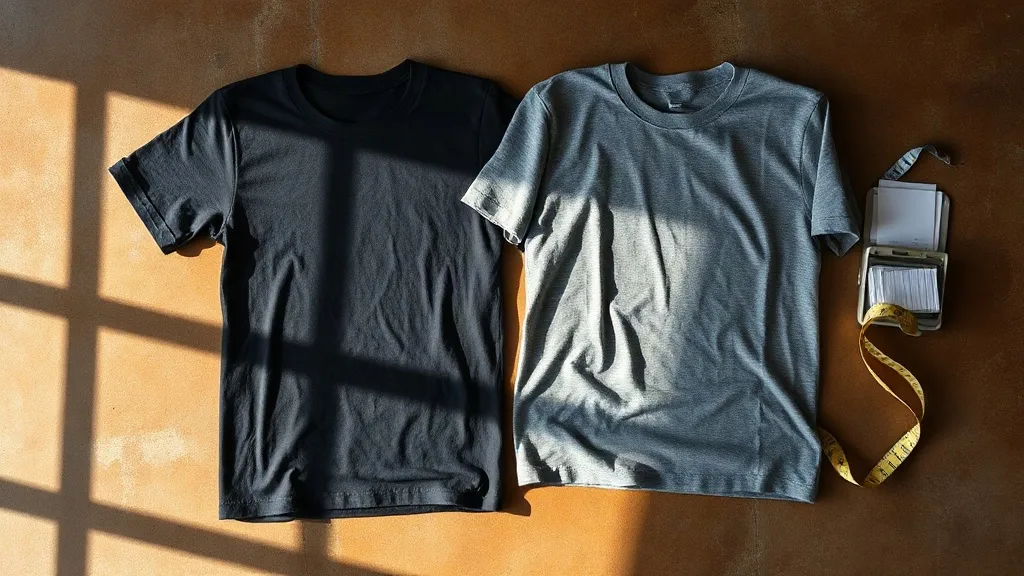
Choosing a blank shirt sounds like a five-minute decision until you have fifty orders sitting in a queue and a customer asking why the heather grey looks thinner than the photo. I have been on both sides of that email, and most of the frustration traces back to one thing: picking a blank by price instead of by purpose. This guide breaks down two popular options in the print on demand world, shaka wear and smart blanks, and explains where each one actually earns its place in a shop.
Neither brand is a universal answer. One leans toward a heavier, streetwear-adjacent feel. The other is built for volume, softness, and everyday basics. Once you understand the trade-offs, you stop guessing and start stocking with intent.
What Each Blank Brand Is Actually Built For
Before fabric weights and stitch counts, it helps to know the personality of each line. Blanks are designed with an end customer in mind, and that design shows up in the collar, the drape, and the way the shirt photographs.
The Shaka Wear approach
shaka wear sits in the heavyweight, streetwear-leaning corner of the market. The garments tend to feel substantial in the hand, hold a structured shape on the body, and photograph well for brands selling oversized fits and graphic-heavy designs. If your store's identity involves boxy silhouettes, bold prints, or a workwear-adjacent aesthetic, this is the lane where these blanks make sense.
Heavier cotton also has a practical benefit for print on demand sellers: it hides minor print imperfections. A slightly uneven ink deposit or a small registration shift is far less visible on a 6 oz fabric than on a lightweight jersey.
The smart blanks approach
smart blanks are aimed at sellers who need reliable everyday basics at a price that keeps margins healthy. The emphasis tends to be on softness, consistent sizing, and a broad color range that supports repeat orders. These are the blanks you reach for when a customer wants a clean logo tee, a team shirt, or a simple design that does not need to shout.
For a shop running high order volume with modest average order value, that combination matters more than fabric drama. A soft, well-priced tee that arrives consistently is often what brings customers back.
Fabric Weight and How It Changes the Final Product
Fabric weight is measured in ounces per square yard (oz/yd²) for most US-sourced blanks. It is the single number that most affects how a finished shirt feels, drapes, and sells.
- Lightweight (roughly 4 to 4.5 oz): breathable, soft, often slightly sheer in lighter colors. Best for summer basics and budget-friendly lines.
- Midweight (roughly 5 to 5.5 oz): the everyday sweet spot. Holds shape reasonably well and prints cleanly.
- Heavyweight (6 oz and up): structured, opaque, and durable. Popular for streetwear and oversized fits.
In practice, shaka wear leans toward the heavier end, which is why printed samples from this line tend to look substantial in product photos. smart blanks generally sit in the midweight zone, which is where most everyday retail tees live. Neither is better in isolation. The question is what your customer expects when the package arrives.
A quick test you can run at home
Order one sample of each and do three things: hold it up to a window to check opacity, stretch the collar gently and watch whether it springs back, and wash it twice before judging. Most blank problems only appear after the second wash, when a weak collar starts to wave or a lightweight body begins to twist.
Printability: Where the Differences Show Up
Every decoration method interacts differently with fabric. Here is how the two lines tend to behave across the most common methods used by print on demand sellers.
Screen printing
Heavier cotton takes plastisol ink well and produces a crisp, opaque result. The trade-off is that a thick ink layer on a heavyweight fabric can feel stiff until it softens with washing. On lighter blanks, a thinner ink deposit often feels better against the skin but may require more care with dark garments.
Direct to garment (DTG)
DTG works best on 100% cotton with a smooth, tight knit. Both lines generally handle DTG acceptably, but pretreat requirements and color vibrancy vary by color. Heathers and blends are the usual troublemakers, so always check the manufacturer's DTG suitability notes before listing a new color.
Embroidery
This is where a sturdier fabric earns its keep. A heavier jersey supports denser stitch counts without puckering, which is why caps and heavyweight tees from streetwear-oriented lines are common in embroidery-heavy shops.
Fit, Sizing, and the Return Problem
Sizing inconsistency is the quiet killer of print on demand margins. Every return costs you the blank, the print, the shipping, and sometimes the customer. Two habits reduce that risk significantly.
- Publish a real size chart based on flat measurements from a physical sample, not the manufacturer's generic chart.
- Note the fit in plain language. "Relaxed through the body, true to size" prevents more complaints than a dozen measurement rows.
Heavier garments often run slightly roomier and shrink a little more in the first hot wash. Lighter garments tend to sit closer to the body. If your store sells oversized fits, a heavyweight blank does half the styling work for you. If your store sells fitted basics, a midweight blank keeps the silhouette clean.
Pricing, Margins, and Order Volume
Blank cost is only one line in your margin math. Add print cost, shipping, platform fees, and the expected return rate, then compare that to your retail price. A blank that costs two dollars more but cuts returns in half is often the cheaper option.
For high-volume basic orders, smart blanks usually make the math easier because the lower unit cost leaves room for competitive pricing. For limited drops and higher-priced statement pieces, shaka wear supports a premium retail price more convincingly. Mixing both in one catalog is a legitimate strategy, as long as the product pages make the difference clear to shoppers.
How to Decide for Your Next Drop
Match the blank to the design, not the other way around. A loud, large-format graphic on a structured heavyweight tee reads as intentional. The same graphic on a thin, soft jersey can look like a promo giveaway. Conversely, a small chest logo on a heavyweight blank can feel heavy and overbuilt for a simple everyday shirt.
Ask three questions before you order stock: Who is wearing this, where are they wearing it, and what will they notice first when they open the package? The answers usually point to one line without much debate.
Frequently Asked Questions
Is Shaka Wear good for print on demand?
Yes, particularly for streetwear-style brands that want a heavier, structured feel. The main things to verify are color availability, DTG suitability for the specific colors you plan to list, and consistent sizing across restocks.
Are smart blanks softer than heavier streetwear blanks?
Generally, yes. Midweight blanks tend to feel softer out of the bag and drape closer to the body, while heavyweight blanks feel more rigid at first and soften over several washes.
Which blank shrinks more after washing?
Heavier cotton typically shrinks more in the first wash, especially in hot water. Wash samples the way your customers will and update your size chart with post-wash measurements so buyers are not surprised.
Can I use both brands in the same store?
Absolutely. Many shops run a premium line on heavier blanks and a value line on midweight blanks. Clear product descriptions about weight and fit prevent customer confusion and reduce returns.
How many samples should I order before launching?
At least two per color you plan to sell, so you can print one and wash the other. Testing the full path from blank to printed garment to post-wash result is the only reliable way to catch problems before your customers do.