
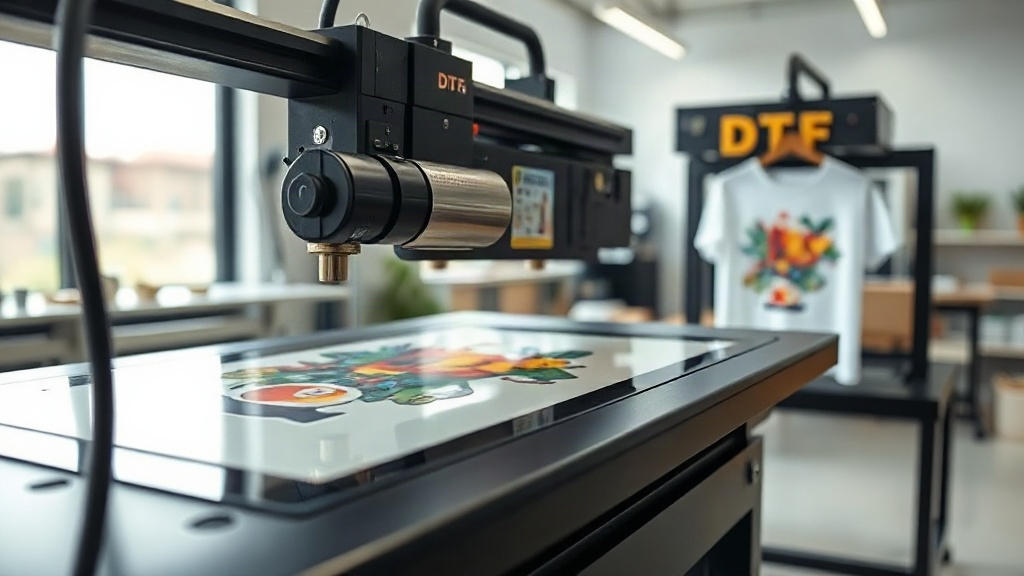
When you're running a print on demand (POD) business, choosing the right printing method can make or break your product quality and profit margins. Among the many options, DTF printing has emerged as a game-changer for entrepreneurs who want to offer vibrant, long-lasting designs on a wide range of fabrics without the hassle of cutting and weeding. In this guide, I'll walk you through everything you need to know about DTF printing, from how it works to whether it's the right fit for your POD store.
What Is DTF Printing?
DTF stands for Direct-to-Film. It's a printing technique where your design is printed onto a special film, coated with a heat-activated adhesive powder, and then transferred onto the fabric using a heat press. Unlike DTG (Direct-to-Garment) printing, which prints directly onto the garment, DTF uses a two-step process that allows for greater versatility in fabric types and colors.
I remember the first time I tried DTF printing. I was skeptical about the durability, but after washing a sample shirt over 20 times, the colors were still as bright as day one. That's when I realized this method could be a game-changer for my POD shop.
How Does DTF Printing Work?
The DTF process might sound technical, but it's surprisingly straightforward. Here's a breakdown of the steps:
- Design Preparation: Create your artwork in a graphics program. Remember to mirror the image before printing, as the transfer will be flipped.
- Printing: Using a specialized DTF printer, your design is printed onto a PET film with a white ink base. This white layer is crucial for vibrant colors on dark fabrics.
- Powder Application: While the ink is still wet, a hot-melt adhesive powder is sprinkled over the film. The excess powder is shaken off, leaving a thin, even layer.
- Curing: The film is then heated to melt the powder, creating a dry, tacky surface that will bond with the fabric.
- Transfer: Finally, the film is placed on the garment and pressed with a heat press at around 160°C (320°F) for 10-15 seconds. After peeling off the film (hot or cold peel depending on the film type), your design is permanently fused to the fabric.
The entire process can be done in-house with the right equipment, giving you full control over quality and turnaround time.
Why Choose DTF for Your Print on Demand Business?
If you're like me, you're always looking for ways to stand out in the crowded POD market. Here's why DTF printing deserves a spot in your production lineup:
1. Unmatched Versatility
DTF works on almost any fabric: cotton, polyester, blends, even leather and denim. This means you can offer designs on t-shirts, hoodies, tote bags, and more without worrying about fabric compatibility. DTG, for instance, struggles with polyester, but DTF handles it like a champ.
2. Vibrant Colors and Fine Details
Because DTF uses a white ink base, your colors pop even on dark garments. The resolution is impressive, capturing intricate details and gradients that other methods might miss. I've printed everything from photorealistic portraits to fine line art, and the results were consistently sharp.
3. Durability That Lasts
When applied correctly, DTF transfers are incredibly durable. They resist cracking, peeling, and fading, even after multiple washes. This is a huge selling point for customers who want their custom apparel to last.
4. Cost-Effective for Small Batches
Unlike screen printing, which requires separate screens for each color, DTF is cost-effective for small runs. You can print one-off designs without breaking the bank, making it perfect for POD where inventory is printed on demand.
5. No Weeding or Cutting
If you've ever spent hours weeding vinyl, you'll appreciate that DTF eliminates that tedious step. The printer does the work, and you simply transfer the whole film. This saves time and reduces waste.
DTF vs. Other Printing Methods
To help you decide, here's a quick comparison of DTF with DTG and sublimation:
- DTG: Best for 100% cotton, but colors may appear dull on dark shirts unless pre-treated. DTF wins on versatility and vibrancy.
- Sublimation: Only works on polyester and requires white fabric for bright colors. DTF works on both cotton and poly, with no color limitations.
- Vinyl: Great for simple designs but not for complex images. DTF handles full-color graphics with ease.
For a POD business that offers a variety of products, DTF is often the most flexible choice.
Getting Started with DTF Printing
Ready to dive in? Here's what you'll need:
- DTF Printer: Expect to invest $1,500 to $5,000 for a decent starter printer. Brands like Epson with DTF conversions are popular.
- DTF Film: Available in rolls or sheets. Choose a film that matches your printer and desired finish (matte or glossy).
- Adhesive Powder: Typically TPU-based. Buy from reputable suppliers to ensure proper bonding.
- Heat Press: A clamshell or swing-away press with precise temperature control.
- Curing Oven or Heat Gun: To melt the powder evenly.
- Design Software: Photoshop, Illustrator, or free alternatives like GIMP or Inkscape.
Start with a small setup and scale as you grow. Many POD sellers begin with a converted Epson printer and a basic heat press, then upgrade as demand increases.
Common Challenges and How to Overcome Them
No printing method is without its quirks. Here are some issues I've encountered and how to fix them:
- Ink Cracking: Usually caused by insufficient powder or incorrect pressing temperature. Ensure even powder coverage and follow the film's recommended settings.
- Poor Adhesion: If the transfer peels off, you might be pressing at too low a temperature or not enough pressure. Increase both and test.
- Color Fading: Use high-quality inks and films. Also, avoid over-stretching the garment after printing.
With a bit of experimentation, you'll find the sweet spot for your equipment.
Is DTF Printing Right for Your POD Business?
If you want to offer high-quality, custom designs on a variety of products without minimum orders, DTF printing is a strong contender. It's especially beneficial if you cater to niche markets that demand unique, full-color designs on different fabric types.
However, if you primarily print on 100% cotton t-shirts in large quantities, DTG might be more cost-effective. Evaluate your product mix and customer expectations before investing.
Frequently Asked Questions About DTF Printing
How long do DTF prints last?
With proper application and care, DTF prints can last 50+ washes without significant fading or cracking. Always wash inside out in cold water and avoid ironing directly on the print.
Can I use DTF on dark shirts?
Absolutely! DTF is actually ideal for dark fabrics because the white ink base ensures vibrant colors. No pre-treatment needed, unlike DTG.
What's the cost per print with DTF?
For an A4-sized design, the cost of film, ink, and powder is roughly $1.50 to $3.00, depending on your supplier and printer efficiency. This is competitive with other methods, especially for small batches.
Do I need a special printer for DTF?
You can convert a standard Epson printer (like the Epson 1430 or P800) to use DTF inks, or buy a dedicated DTF printer. Dedicated printers are more expensive but offer better reliability and speed.
Is DTF printing eco-friendly?
DTF uses water-based inks and TPU powder, which are generally more environmentally friendly than solvent-based alternatives. However, the PET film is not biodegradable, so proper disposal is important.
DTF printing has revolutionized the POD industry by offering flexibility, durability, and vibrant results. Whether you're just starting out or looking to expand your product offerings, it's worth exploring. With the right setup and a bit of practice, you can create stunning custom apparel that keeps customers coming back.