
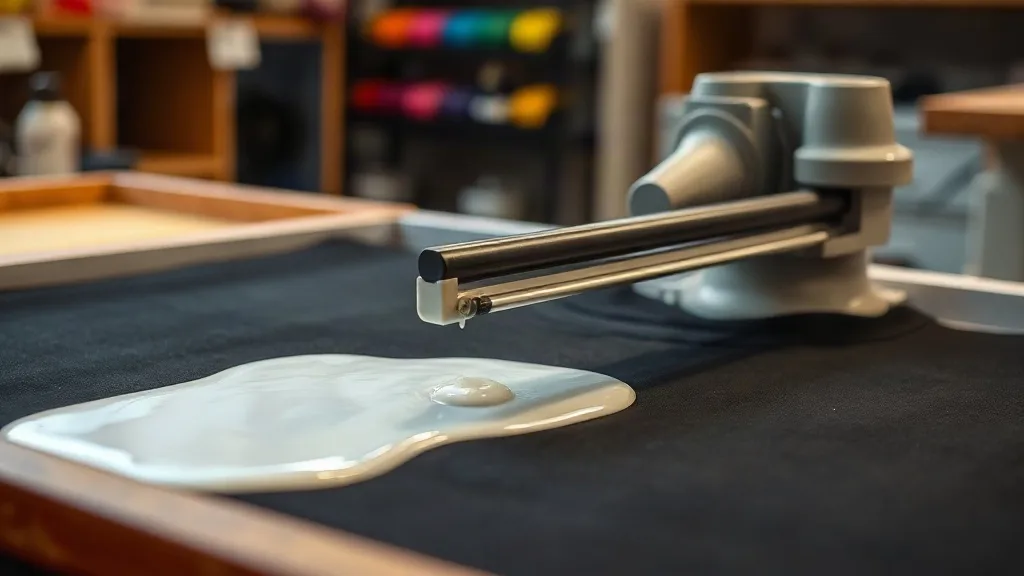
When you pull a shaka wear tee out of the box, the first thing you notice is the weight. These are not flimsy blanks; they are built to last, and that’s exactly why screen printers keep coming back to them. But printing on heavyweight cotton is a different beast. The same settings that work on a 4.5 oz ring-spun tee will fail on a 6.5 oz Shaka Wear. In this guide, I’ll share what I’ve learned from hundreds of print runs on Shaka Wear tees, covering everything from mesh selection to curing and troubleshooting.
Why Shaka Wear Tees Demand a Different Approach
Shaka Wear tees are known for their dense, heavyweight cotton fabric. That density affects how ink sits on the surface, how it cures, and how the print feels. Unlike lighter blanks where ink can soak in quickly, Shaka Wear’s tight knit means ink tends to stay on top. That’s great for opacity and vibrant colors, but it also means you need to be more careful with ink deposit and curing to avoid a thick, plasticky feel.
Another factor is the fabric’s minimal shrinkage. Shaka Wear tees are pre-shrunk, so you don’t have to worry about the print distorting after the first wash. However, the tight weave can cause the fabric to relax slightly during printing, especially if you’re using high tension on the screen. I always recommend a relaxed screen tension and a good adhesive pallet to keep the shirt stable.
Choosing the Right Ink for Shaka Wear Tees
Ink selection is where most printers either succeed or struggle with Shaka Wear. Because the fabric is heavy and tightly woven, plastisol inks are a popular choice for their opacity and ease of use. But not all plastisols are created equal. A low-bleed, high-opacity plastisol will give you crisp edges and bright colors without needing multiple passes. If you’re printing on dark Shaka Wear tees, a white underbase is essential, but keep it thin to avoid a heavy hand.
Water-based inks are another option, especially for brands that want a soft, vintage feel. On Shaka Wear, water-based inks require a bit more care because the fabric doesn’t absorb as quickly. You’ll need to adjust your print speed and possibly use a retarder to prevent the ink from drying in the screen. The result, however, is a print that feels like part of the shirt and holds up well over time.
For those who prefer a middle ground, discharge inks can work beautifully on 100% cotton Shaka Wear tees. Discharge removes the dye from the fabric, leaving a soft print with no hand feel. It’s important to test discharge on the specific color you’re using, as some dyes resist discharge. I’ve found that lighter colors discharge more consistently than darker ones.
Mesh Count and Screen Preparation
The mesh you choose directly affects ink deposit and detail. For Shaka Wear tees, a 110 to 156 mesh is ideal for bold, opaque prints. If you’re doing fine detail or halftones, go with a 200 to 230 mesh. Remember that higher mesh counts deposit less ink, which can be a challenge on dark garments where you need opacity. In that case, use a higher mesh for the underbase and a lower mesh for the top colors.
Screen tension is another critical factor. Shaka Wear’s heavyweight fabric can cause the screen to deflect if the tension is too low, leading to inconsistent ink deposit. I aim for around 25 Newtons for most jobs. Also, make sure your screens are properly degreased and dried before coating with emulsion. A clean screen ensures the emulsion adheres well and reduces the risk of pinholes.
Proper Pallet Adhesive and Shirt Placement
Because Shaka Wear tees are heavier, they need a strong pallet adhesive to stay in place during printing. A water-based adhesive works well, but you must let it tack up properly. If the adhesive is too wet, the shirt will slide; if it’s too dry, the shirt won’t stick. I apply a thin layer and let it dry until it’s just tacky to the touch.
When loading the shirt, smooth out any wrinkles and ensure the collar is centered. The heavyweight fabric can be stubborn, so take an extra second to press it flat. Any wrinkle will show up as a misprint. Also, check that the shirt is not stretched over the pallet; you want it snug but not distorted.
Printing Technique: Stroke, Speed, and Angle
The way you stroke the squeegee matters more on Shaka Wear than on lighter blanks. A sharp, fast stroke with a hard squeegee (70 durometer) will shear the ink and deposit a thinner layer, which is good for detail but may require multiple passes for opacity. A softer squeegee (60 durometer) and a slower stroke will push more ink through, giving better coverage on dark shirts. I typically use a 70/90/70 durometer squeegee for a balance of both.
Angle the squeegee at about 75 degrees and maintain consistent pressure. On Shaka Wear, too much pressure can cause the ink to squish out beyond the stencil, leading to halo edges. Too little pressure leaves ink sitting on top of the mesh, causing a textured print. Practice on a test shirt to find the sweet spot.
Curing Shaka Wear Prints for Durability
Curing is non-negotiable for print longevity. Plastisol ink must reach 320°F (160°C) throughout the ink film to properly fuse. On Shaka Wear’s heavy fabric, the ink sits higher, so you need to ensure the heat penetrates fully. A conveyor dryer with a dwell time of 60 to 90 seconds works well. Use a heat gun or temperature strips to verify that the ink reaches the correct temperature.
Over-curing can cause the print to become brittle and crack, while under-curing leads to washing out. I always run a stretch test after curing: stretch the print firmly; if it cracks, it’s under-cured. For water-based inks, curing is even more critical because they need to cross-link with the fabric. Follow the ink manufacturer’s recommendations and don’t rush the process.
Troubleshooting Common Issues on Shaka Wear Tees
Even experienced printers run into problems. Here are a few common issues and how to fix them:
- Ink bleeding: Usually caused by too much ink deposit or low mesh. Try a higher mesh count and reduce squeegee pressure.
- Off-contact issues: Shaka Wear’s thick fabric may require slightly more off-contact (about 1/8 inch) to allow the screen to snap off cleanly.
- Puckering in embroidery: Although this guide focuses on screen printing, if you’re combining techniques, use a cut-away stabilizer and a ballpoint needle to avoid puckering on heavyweight cotton.
- Adhesive residue: If the shirt sticks too much, your adhesive may be too strong. Use a pallet paper or reduce the adhesive layer.
Comparing Shaka Wear with Other Blanks
Many printers ask how Shaka Wear compares to other popular blanks like smart blanks. While Smart Blanks offers a range of weights and blends, Shaka Wear’s focus on heavyweight 100% cotton makes it a go-to for streetwear and premium brands. The printing characteristics differ: Smart Blanks may require less ink for opacity due to their fabric composition, but Shaka Wear’s tight knit holds detail exceptionally well. Ultimately, the choice depends on your brand’s desired feel and durability.
Final Thoughts: Mastering Shaka Wear Printing
Printing on Shaka Wear tees is a skill that improves with practice. The key is to respect the fabric’s weight and density by adjusting your ink, mesh, and curing parameters. Once you dial in your process, you’ll appreciate the consistency and quality that Shaka Wear brings to your shop. Whether you’re printing for a streetwear drop or a corporate order, these tees deliver a premium canvas that your customers will notice.
Frequently Asked Questions
What mesh count should I use for printing white on dark Shaka Wear tees?
For a white underbase on dark Shaka Wear tees, use a 110 to 156 mesh. This allows enough ink deposit for opacity without excessive build-up. For the top white layer, you can go slightly higher, around 156 to 200 mesh, to smooth out the surface.
Can I use water-based inks on Shaka Wear tees?
Yes, water-based inks work well on Shaka Wear, but they require adjustments. Because the fabric is tightly woven, the ink doesn’t absorb as quickly. Use a retarder to slow drying and adjust your print speed. Curing is critical: water-based inks must reach the correct temperature to bond with the cotton.
How do I prevent the print from cracking after washing?
Cracking usually indicates under-curing or too thick an ink deposit. Ensure your ink reaches 320°F throughout, and avoid over-depositing ink by using the proper mesh and squeegee technique. Also, turn the shirt inside out when washing and avoid high heat in the dryer.
Is Shaka Wear suitable for discharge printing?
Shaka Wear tees are 100% cotton, so they are generally suitable for discharge printing. However, some dyes may resist discharge, so always test on a sample shirt first. Lighter colors tend to discharge more consistently than darker ones.
What squeegee durometer is best for Shaka Wear?
A 70 durometer squeegee is a good all-around choice for Shaka Wear. It provides enough flexibility to shear the ink while maintaining control. For heavier ink deposits, a 60 durometer can be used, and for fine detail, a 80 durometer may help.