
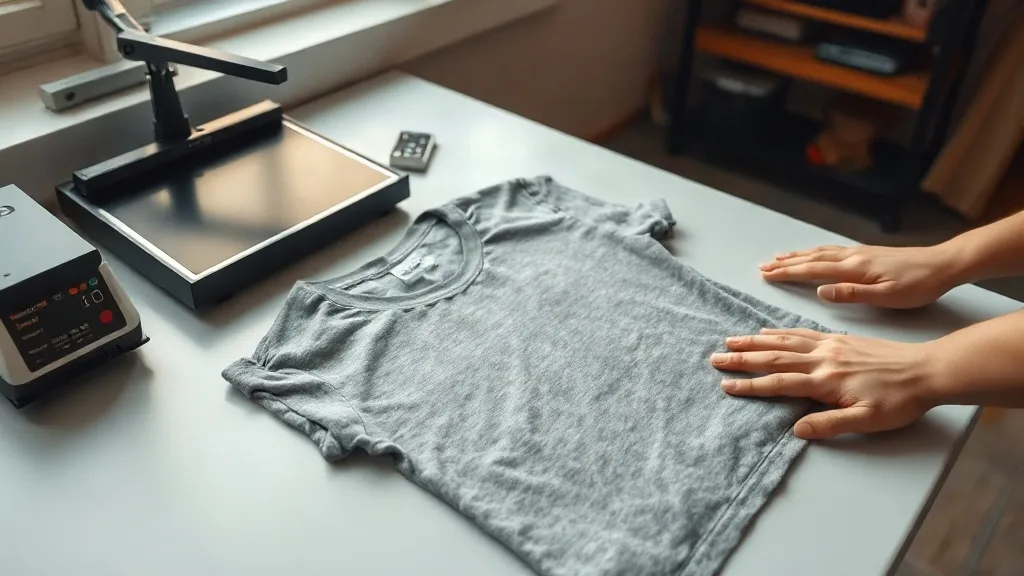
A client messages you about fifty hoodies for a team retreat. Before you talk numbers, you need something in their hands: a real garment with their logo on it. That first physical proof is where most custom apparel orders are decided, and it is also where plenty of small shops lose money. dtf transfers change that equation because they let you press a single sample in minutes without burning a screen, ordering a minimum, or tying up a press for an hour. Once you build a repeatable sample workflow around them, the test garment stops being a cost center and starts being your best sales tool.
Why Samples Decide More Orders Than Quotes Do
Buyers comparing three shops usually have quotes that look similar. What separates them is the proof. A decision maker who can hold a hoodie, feel the print, and see the colors against the actual fabric makes a faster call than someone squinting at a mockup on a phone screen. In my experience running small batches for local teams and corporate clients, a physical sample shortens the approval cycle from a week of back-and-forth emails to a single conversation.
That speed has a price, though, and shops that ignore it end up eating the cost. The trick is to treat the sample as a product with its own workflow, not as a favor tacked onto the front of a job.
Building a Sample Workflow Around DTF
The reason dtf fits sample runs so well comes down to prep. There is no screen to reclaim, no color mixing, and no setup fee per ink. You print a small gangsheet, cure the powder, and press the transfer onto the exact blank the client is considering. If they want to compare a white tee against a heather grey one, you press both and let them choose.
Start With the Real Blank
Never proof on a random shirt from your shelf. Order one of the actual blanks you quoted, or ask the client to send theirs. Fabric content, weight, and color all change how a print reads. A logo that pops on a 100% cotton white tee can look muted on a tri-blend heather, and a sample that misrepresents the final product creates problems you will spend weeks fixing.
Print a Small Gangsheet for Options
One of the quiet advantages of dtf transfers is that you can nest several versions of a design on a single sheet. For a sample run, that means pressing the same logo in two sizes, a left-chest version, and a back print for the client to compare. Fill the leftover space with a couple of your own shop designs so the sheet is not mostly empty film.
Press and Document
Press the sample exactly the way you will press the production run. Note the temperature, pressure, and dwell time on a small card that goes with the garment. When the full order arrives, whoever is on the press has a reference point instead of guessing. This habit alone has saved me from more than one color or hand-feel dispute down the line.
What a Sample Run Actually Costs You
Shops get into trouble when they hand out free samples without accounting for the real cost. A single sample includes the blank, the transfer film and powder, your design time, the press time, and often shipping. Add those up and a free sample can quietly cost more than the profit on a small order.
A workable approach is to charge a modest sample fee and credit it back when the client places a production order above a set threshold. Clients rarely push back on this because they understand they are getting a real garment, not a digital file. It also filters out tire-kickers who were never going to order.
- Charge enough to cover the blank and a fair share of your labor.
- Offer to credit the fee against orders over a stated value.
- Keep the sample if the client declines, since you can often resell it as a shop sample or use it in marketing.
Common Sample Run Mistakes and How to Avoid Them
Proofing on the Wrong Fabric
This is the mistake I see most often. A shop presses a sample on a cotton tee because it is what is on hand, then produces the order on polyester performance shirts. The print looks different, the client notices, and trust takes a hit. Match the blank to the quote every time.
Forgetting to Wash-Test
If the client is ordering for a team that will wear the garment weekly, a wash test is worth the extra day. Press a second sample and run it through a normal wash cycle. Check for cracking, fading, and edge lift. Showing a client a washed sample that still looks good removes a lot of hesitation about durability.
Overcomplicating the Proof
Some shops try to show every possible option in one sample and end up with a confusing pile of garments. Keep it focused. Two blanks and two print placements are usually enough to make a decision. Save the deep customization conversation for after the client has committed.
Turning a Sample Into a Signed Order
The sample is not just a proof; it is a sales moment. Deliver it in person when you can, and walk the client through what they are holding. Point out the print edges, the hand feel, and how the design sits on the chest. If you shipped it, follow up with a short message that asks a specific question rather than a vague one. "Does the left-chest size feel right, or would you prefer it a touch larger?" gets a faster response than "Let me know what you think."
Keep a photo of every approved sample in a client folder. When a reorder comes in six months later, you have a reference for the exact placement, size, and blank, which means the second run matches the first without another round of proofs.
When Samples Are Not Worth It
Samples make sense for orders where the client is investing real money or where the design is complex. They make less sense for a five-shirt order from a walk-in customer who just wants a quick print. In those cases, use a digital mockup and a clear photo of a similar past job. Knowing when to skip the sample protects your time and keeps small jobs profitable.
Frequently Asked Questions
How long does a DTF sample take to produce?
If the design file is ready and the blank is in stock, a single sample can be printed and pressed in under thirty minutes. Most of that time is design cleanup and the press cycle itself, not setup.
Should I charge for samples?
Yes, in most cases. Charge enough to cover the blank and a portion of your labor, and offer to credit the fee against a production order. Free samples work only for established clients with a history of ordering.
Can I reuse a rejected sample?
Sometimes. If the print is a generic design or a shop logo, you can often sell it or use it for marketing. If it carries a client's branding, keep it for your records and do not resell it.
Do I need a special press for sample runs?
No. A standard heat press with reliable temperature and pressure control is enough. The key is consistency, so document your settings and use them for both the sample and the production run.
What is the best way to show a client a DTF sample remotely?
Ship the sample with a short note, then follow up with photos and a short video of the print up close. Ask one specific question about fit or placement to prompt a reply and move the order forward.