
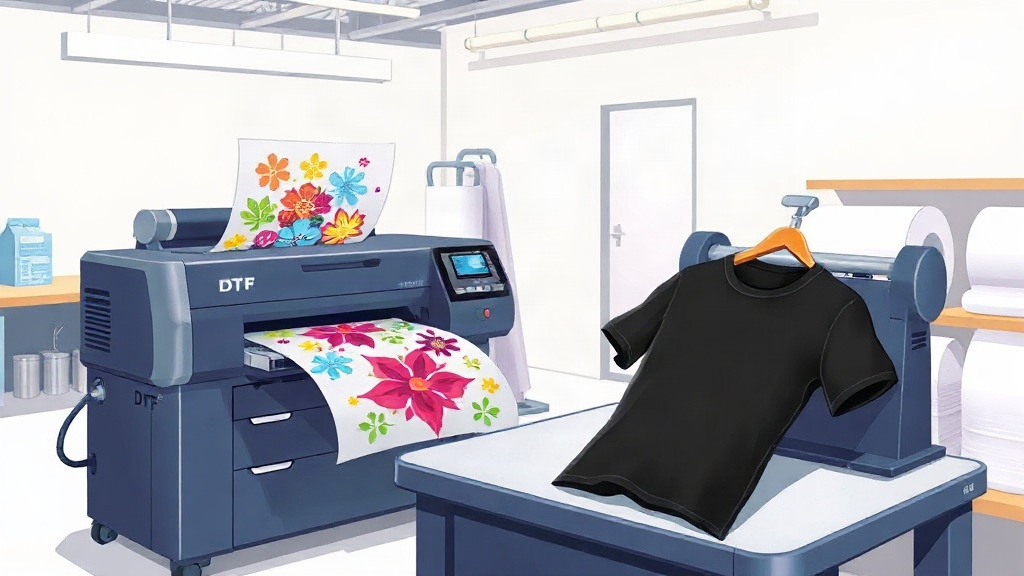
When you're running a print on demand business, the printing method you choose can make or break your product quality and customer satisfaction. Among the many options, DTF printing has emerged as a versatile and cost-effective solution for transferring vibrant designs onto a wide range of fabrics. Unlike traditional methods that require specific materials, DTF (Direct to Film) printing allows you to print on cotton, polyester, blends, and even dark colors with impressive detail. In this guide, I'll walk you through what DTF printing is, how it works, and how you can use it to grow your print on demand store.
What is DTF Printing?
DTF stands for Direct to Film. It's a printing technology where your design is printed onto a special film, coated with adhesive powder, and then heat-pressed onto the fabric. The result is a soft, stretchable, and durable print that adheres well to various materials. Unlike DTG (Direct to Garment) printing, which requires pre-treatment and works best on cotton, DTF can be used on almost any fabric, including nylon, leather, and blends. This flexibility makes it a favorite among print on demand sellers who want to offer diverse products without investing in multiple printing setups.
How DTF Printing Works
The process involves several steps: First, your design is printed onto a PET film using specialized DTF inks. Then, a hot melt adhesive powder is applied to the wet ink, and the film is cured. Once ready, the film is placed on the fabric and heat-pressed. The adhesive melts, bonding the ink to the fabric. After cooling, the film is peeled off, leaving a vibrant, detailed print. The entire process can be done in-house with a DTF printer, a heat press, and a few consumables, making it accessible for small businesses.
Why DTF Printing is a Game-Changer for Print on Demand
Print on demand is all about efficiency and customization. DTF printing excels in both. Here's why:
- Fabric versatility: Works on cotton, polyester, blends, and even treated leather.
- No minimums: Perfect for one-off designs and small batches.
- Vibrant colors: Produces bright, opaque prints on dark fabrics without a white underbase.
- Durability: Prints withstand washing and stretching when applied correctly.
- Cost-effective: Lower startup costs compared to DTG or screen printing.
These benefits mean you can offer a wider range of products, from t-shirts and hoodies to tote bags and caps, without worrying about fabric limitations.
DTF vs. Other Printing Methods
How does DTF stack up against DTG, screen printing, and sublimation? DTG is great for cotton but struggles with synthetics and dark colors. Screen printing is cost-effective for bulk orders but not for one-offs. Sublimation requires polyester and light colors. DTF bridges these gaps: it handles small orders, works on multiple fabrics, and delivers vivid results on any color. For print on demand, where orders are typically one or two items, DTF offers the best balance of quality and flexibility.
Getting Started with DTF Printing
If you're ready to add DTF to your print on demand workflow, here's what you need:
- DTF printer: Options range from converted Epson printers to dedicated DTF machines. Choose based on your volume and budget.
- DTF inks: Use high-quality inks designed for DTF to ensure vibrant colors and durability.
- PET film: Available in rolls or sheets; ensure it's compatible with your printer.
- Adhesive powder: This is crucial for bonding the ink to the fabric. Choose fine or medium powder based on your design details.
- Heat press: A reliable heat press with accurate temperature and pressure control is essential.
- Curing oven or heat gun: To cure the powder after application.
Start with a small setup and scale as you grow. Many suppliers offer starter kits that include everything you need.
Design Tips for DTF Printing
Not all designs work equally well with DTF. Here are some tips to get the best results:
- Use high-resolution images: 300 DPI or higher ensures crisp details.
- Avoid very fine lines: They may not hold up well after washing. Opt for slightly thicker lines.
- Consider the fabric color: While DTF prints on dark colors, a white underbase is not needed, but colors may appear slightly different on different backgrounds.
- Test before bulk: Always do a test press to check color and adhesion.
Common Challenges and How to Overcome Them
Like any printing method, DTF has its quirks. Here are common issues and solutions:
- Poor adhesion: Usually caused by insufficient pressure, temperature, or time. Adjust your heat press settings and ensure the powder is fully cured.
- Cracking or fading: May result from improper curing or low-quality powder. Use reputable supplies and follow curing guidelines.
- Color inconsistency: Calibrate your printer and use ICC profiles for accurate colors.
- Film jams: Ensure your printer is set up correctly and use quality film.
With a bit of practice, you'll master the process and minimize waste.
Scaling Your DTF Operations
As your print on demand business grows, you may need to scale your DTF production. Consider upgrading to a larger printer, automating powder application with a shaker, and investing in a conveyor oven for curing. These investments can increase speed and consistency, allowing you to handle more orders without sacrificing quality.
Frequently Asked Questions about DTF Printing
What fabrics can I use with DTF printing?
DTF printing works on a wide range of fabrics, including cotton, polyester, cotton-poly blends, nylon, and even leather. It's especially useful for dark and synthetic materials where other methods fall short.
How durable is a DTF print?
When applied correctly, DTF prints are highly durable. They can withstand multiple washes without cracking or fading, often lasting as long as the garment itself. Proper curing and quality materials are key.
Do I need a special printer for DTF?
You can convert a standard Epson printer to use DTF inks, but dedicated DTF printers are available and offer better reliability and output. For beginners, a converted printer with a bulk ink system is a cost-effective start.
Is DTF printing cost-effective for small businesses?
Yes, DTF has relatively low startup costs compared to other methods. The cost per print is reasonable, especially for small orders, making it ideal for print on demand.
Can I use DTF on dark shirts without a white underbase?
Absolutely. One of the advantages of DTF is that it prints white ink as part of the design, so no separate underbase is needed. The white ink layer ensures vibrant colors on dark fabrics.
Final Thoughts
DTF printing is a powerful tool for print on demand entrepreneurs. Its versatility, quality, and cost-effectiveness make it an excellent choice for creating custom apparel and accessories. By understanding the process and following best practices, you can deliver high-quality products that keep customers coming back. Whether you're just starting or looking to expand, DTF is worth considering for your printing arsenal.