
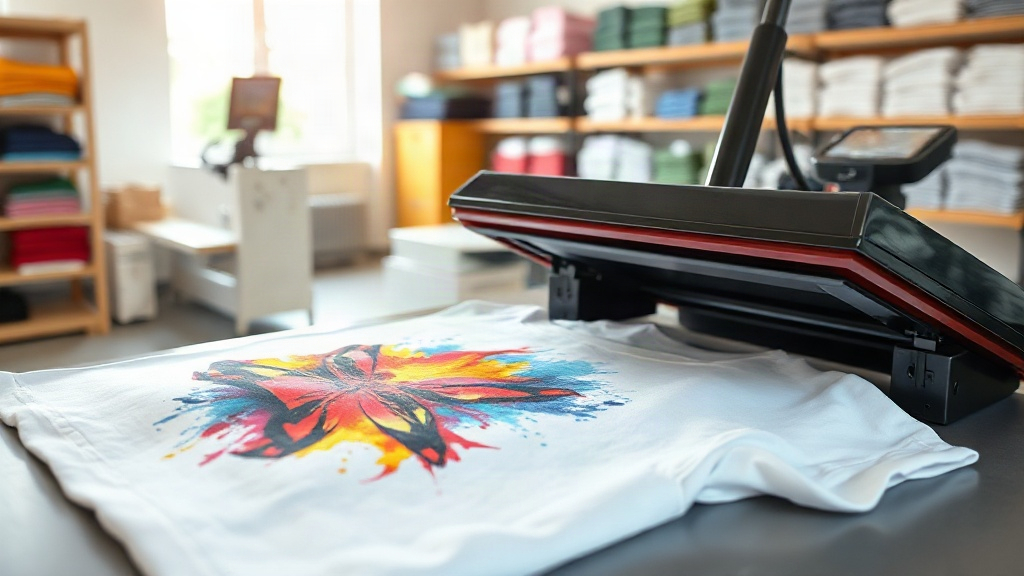
Imagine pressing a button and watching a vibrant, full-color design transfer seamlessly onto a cotton t-shirt, a polyester tote bag, or even a denim jacket. That's the magic of DTF transfers, a technology that's quickly become a favorite among print-on-demand sellers and DIY enthusiasts. Unlike traditional methods that limit you to certain fabrics or require expensive equipment, DTF opens up a world of possibilities with just a heat press and a few supplies. In this guide, we'll walk you through everything you need to know about DTF transfers, from how they work to why they might be the missing piece in your custom apparel business.
What Are DTF Transfers?
DTF stands for Direct-to-Film. It's a printing technique where your design is printed onto a special PET film using water-based inks, then coated with a hot-melt adhesive powder. Once the powder is cured, the transfer is ready to be applied to fabric using a heat press. The result? A soft, stretchable, and durable print that bonds permanently to the material. Unlike DTG (Direct-to-Garment) printing, which requires the garment to be pre-treated and can be finicky on dark colors, DTF transfers work on virtually any fabric, including cotton, polyester, blends, and even leather. Plus, they don't require any weeding or cutting, making them incredibly efficient for small businesses and hobbyists alike.
How DTF Transfers Work: Step by Step
Understanding the DTF process helps you appreciate its simplicity and effectiveness. Here's a breakdown of the key steps:
- Design Preparation: Create your artwork in a graphic design software and mirror it horizontally. This ensures the final transfer reads correctly when pressed.
- Printing: Using a DTF printer, the design is printed onto a PET film with CMYK and white inks. The white ink acts as a base, allowing the colors to pop on both light and dark fabrics.
- Powder Application: While the ink is still wet, a hot-melt adhesive powder is sprinkled over the print. The excess powder is shaken off, leaving a thin layer adhered to the ink.
- Curing: The film is then heated to melt the powder, creating a smooth, dry surface that will bond to the fabric.
- Transfer: Finally, the transfer is placed on the garment and pressed with a heat press at around 300-320°F for 10-15 seconds. After peeling the film (hot or cold peel, depending on the film type), your design is permanently fused.
Each step is straightforward, but attention to detail, like consistent temperature and pressure, ensures professional results.
Why Choose DTF Transfers for Print-on-Demand?
If you're running a print-on-demand business, DTF transfers offer several compelling advantages:
- Fabric Versatility: Works on cotton, polyester, blends, nylon, leather, and more. No need to stock multiple shirt types.
- Vibrant Colors: The white ink base allows for bright, opaque prints on dark garments without the need for separate white underbase screens.
- Durability: When applied correctly, DTF prints withstand dozens of washes without fading, cracking, or peeling.
- No Weeding or Cutting: Unlike vinyl, there's no tedious weeding process. Just print, powder, cure, and press.
- Cost-Effective for Short Runs: Ideal for one-off designs or small batches, as there are no minimum order quantities.
- Soft Hand Feel: The prints are thin and stretch with the fabric, avoiding the plastic-like texture of some other methods.
These benefits make DTF a go-to choice for entrepreneurs who want to offer high-quality custom apparel without heavy upfront investments.
DTF vs. Other Printing Methods
How does DTF stack up against DTG, screen printing, and sublimation? Let's compare:
DTF vs. DTG
DTG excels on 100% cotton but struggles with polyester and dark colors unless pre-treated. DTF, on the other hand, handles both with ease and often produces more vibrant results on dark fabrics. DTF also requires less maintenance and no pre-treatment, saving time and money.
DTF vs. Screen Printing
Screen printing is cost-effective for large orders but requires setup per color and is impractical for complex designs with gradients. DTF shines for detailed, multi-color designs and small batches, with no screen setup.
DTF vs. Sublimation
Sublimation only works on polyester or specially coated surfaces and often yields muted colors on cotton. DTF works on any fabric and produces opaque, bright prints, making it more versatile.
While each method has its place, DTF's flexibility and low barrier to entry make it a strong contender for print-on-demand.
Getting Started with DTF Transfers
Ready to dive in? Here's what you need:
- DTF Printer: Options range from converted Epson printers to dedicated DTF machines. For beginners, a converted printer with DTF ink and film can be a budget-friendly start.
- DTF Film: Available in sheets or rolls. Choose film compatible with your printer and desired finish (glossy or matte).
- Hot-Melt Powder: Usually TPU-based, available in fine or coarse grades. Fine powder works well for detailed designs.
- Heat Press: A reliable heat press with accurate temperature and pressure control is essential.
- Curing Oven or Heat Gun: To melt the powder evenly. A dedicated curing oven is ideal, but a heat gun can work with practice.
Start with a small setup, practice the process, and scale as you grow. Many online communities and tutorials can help you troubleshoot.
Tips for Perfect DTF Transfers
Achieving professional results requires attention to detail. Keep these tips in mind:
- Pre-press the Garment: Remove moisture and wrinkles to ensure proper adhesion.
- Use the Right Pressure: Medium to high pressure is typically needed. Too little and the transfer won't bond; too much and the design may spread.
- Temperature Matters: Stick to the film manufacturer's recommendations. Too hot can scorch the fabric or melt the film; too cool can lead to poor adhesion.
- Peel at the Right Time: Some films require hot peel, others cold. Follow the instructions to avoid cracking.
- Wash Inside Out: Advise your customers to wash garments inside out in cold water and tumble dry low to extend the life of the print.
With practice, you'll develop a feel for the process and be able to produce consistent, high-quality transfers.
Common Mistakes to Avoid
Even seasoned pros can slip up. Watch out for these pitfalls:
- Insufficient Powder: Not applying enough powder leads to poor adhesion. Ensure even coverage.
- Under-Curing: If the powder isn't fully melted, the transfer won't bond properly. Use a infrared thermometer to check.
- Over-Pressing: Pressing too long or too hot can cause the design to crack or the fabric to burn.
- Ignoring Fabric Type: Some fabrics, like those with high spandex content, may require lower temperatures.
Avoiding these mistakes will save you time, money, and frustration.
Frequently Asked Questions About DTF Transfers
How long do DTF transfers last?
When applied correctly and cared for properly, DTF transfers can last 50 washes or more without significant fading or cracking. Following wash care instructions is key.
Can I use DTF transfers on dark colors?
Absolutely. DTF transfers include a white ink base, so they show up vividly on dark fabrics, unlike some other methods that require a white underbase.
Do I need a special printer for DTF?
You can convert a standard inkjet printer (like certain Epson models) to use DTF inks, or purchase a dedicated DTF printer. The choice depends on your budget and production volume.
What fabrics work best with DTF?
DTF works on a wide range of fabrics, including cotton, polyester, blends, nylon, and leather. It's one of the most versatile printing methods available.
Is DTF cost-effective for small businesses?
Yes, DTF is very cost-effective for short runs because there are no minimums and no setup fees. It's ideal for print-on-demand and small batch production.
DTF transfers are more than a trend; they're a practical solution for anyone looking to create custom apparel with professional quality. Whether you're a seasoned printer or just starting out, DTF offers a low barrier to entry and endless creative possibilities. So why not give it a try? Your next best-selling design might be just a press away.