
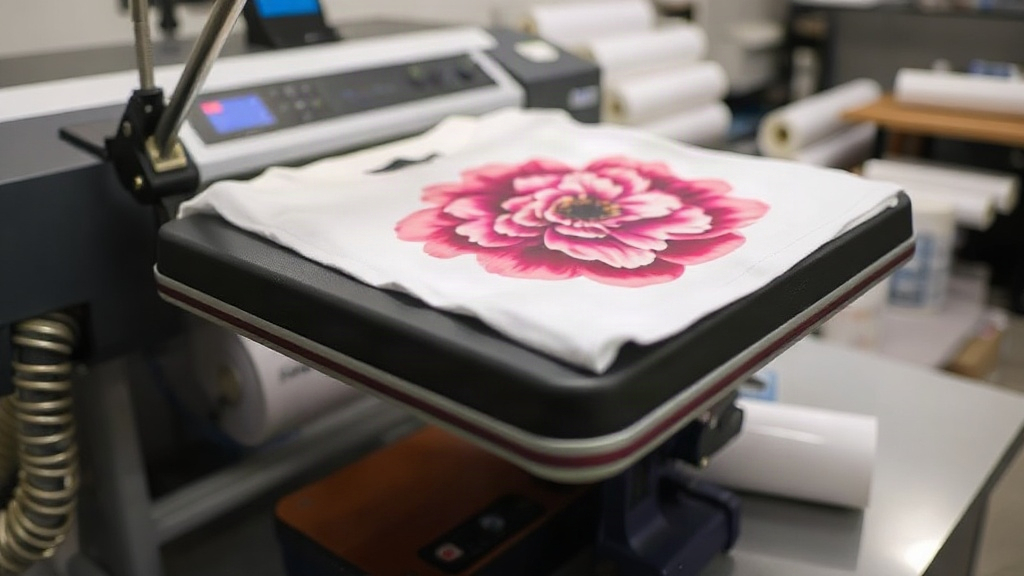
Imagine pressing a design onto a cotton t-shirt, then doing the same on a polyester hoodie, and getting the same vivid, stretchable result every time. That's the promise of DTF transfers, a technology that has rapidly become a favorite among custom apparel creators. Unlike traditional methods that require specific fabrics or minimum orders, DTF transfers open up a world of possibilities for small businesses, hobbyists, and large-scale producers alike. In this guide, we'll walk you through everything you need to know about DTF transfers, from the science behind them to practical tips for flawless application.
What Are DTF Transfers?
DTF stands for Direct to Film. It's a printing method where your design is printed onto a special PET film using water-based pigments, then coated with a thermoplastic adhesive powder. Once the powder is cured, the transfer is ready to be heat-pressed onto a garment. The magic lies in the adhesive: it bonds the ink to the fabric, creating a flexible, durable print that feels soft to the touch. Unlike DTG (Direct to Garment) printing, which requires pre-treatment and works best on cotton, DTF transfers adhere to a wide range of materials, including polyester, blends, and even leather. This versatility is why DTF transfers have become a go-to solution for custom apparel.
The DTF Transfer Process Step by Step
Understanding the process helps you troubleshoot issues and achieve professional results. Here's how it works:
- Design Preparation: Create your artwork in a graphic design program. Remember to mirror the image horizontally before printing, as the transfer will be flipped when applied.
- Printing: Use a DTF printer with specialized inks to print onto the PET film. The printer lays down a layer of white ink first (for opacity on dark fabrics), followed by CMYK colors.
- Powdering: While the ink is still wet, apply a fine layer of hot-melt adhesive powder. Shake off the excess.
- Curing: Place the film in a curing oven or under a heat press at around 160°C (320°F) for 2-3 minutes to melt the powder. This creates a dry, non-sticky surface.
- Transfer: Set your heat press to 150-160°C (300-320°F) with medium pressure. Press the transfer onto the garment for 10-15 seconds.
- Peel: Wait for the transfer to cool completely (cold peel) or peel while warm (hot peel), depending on the film type. Cold peel generally yields a smoother finish.
Each step is critical, but with practice, you'll develop a rhythm that ensures consistent quality.
Why Choose DTF Transfers Over Other Methods?
If you're comparing decoration techniques, DTF offers several distinct advantages:
- Fabric Versatility: Works on cotton, polyester, nylon, leather, and more. No need to stock multiple transfer types.
- No Pre-Treatment: Unlike DTG, DTF doesn't require pre-treating the garment, saving time and chemicals.
- Vibrant Colors: The white ink base allows bright, opaque prints on dark colors, and the color gamut is impressive.
- Durability: When applied correctly, DTF prints withstand dozens of washes without fading or cracking.
- Cost-Effective for Short Runs: No minimum order quantities, making it ideal for one-off custom pieces or small batches.
- Stretchability: The print stretches with the fabric, so it's great for athletic wear and stretchy materials.
These benefits explain why DTF transfers are disrupting the custom apparel market.
Common Challenges and How to Overcome Them
Even though DTF is user-friendly, beginners often encounter a few hurdles. Here are solutions to typical problems:
1. Ink Cracking or Fading After Wash
This usually happens due to under-curing or insufficient pressure during transfer. Make sure your powder is fully melted (it should look glossy) and that your heat press applies even pressure. Also, wait 24 hours before washing, and turn the garment inside out.
2. Sticky or Tacky Transfer
If the transfer feels sticky after curing, it means the powder didn't melt completely. Increase curing time or temperature slightly. A infrared thermometer can help you verify the actual temperature of the film.
3. Poor Adhesion on Polyester
Polyester can be tricky because it's heat-sensitive. Use a lower temperature (around 140°C) and press for a shorter time (8-10 seconds). Also, pre-press the garment to remove moisture.
4. Color Shift
Colors may appear dull if the white ink layer is too thin. Ensure your printer is set to print a sufficient white base, and check that the film is compatible with your ink.
With a bit of experimentation, you'll master these variables.
Applications of DTF Transfers
DTF isn't just for t-shirts. Its flexibility makes it suitable for:
- Sportswear: Jerseys, leggings, and compression wear benefit from the stretchable, lightweight print.
- Denim: Add intricate designs to jeans and jackets without the stiffness of embroidery.
- Accessories: Tote bags, hats, and even shoes can be customized.
- Corporate Merchandise: Promotional items like polo shirts and hoodies.
- Home Decor: Pillows, aprons, and tea towels.
The possibilities are nearly endless, limited only by your creativity.
DTF vs. Other Printing Methods: A Quick Comparison
To help you decide, here's how DTF stacks up against DTG, screen printing, and vinyl:
- DTG: Best for 100% cotton, requires pre-treatment, softer feel but less durable on synthetics.
- Screen Printing: Cost-effective for large orders, but setup costs are high and colors are limited per screen.
- Vinyl: Great for simple designs, but layered vinyl can be thick and time-consuming to weed.
- DTF: No minimums, works on almost any fabric, vibrant colors, and good durability.
For many small businesses, DTF strikes the best balance between quality, versatility, and cost.
Tips for Perfect DTF Transfers Every Time
Drawing from years of experience in the industry, here are some best practices:
- Storage: Keep unused transfers in a cool, dry place away from direct sunlight. Humidity can affect the powder.
- Pre-Press: Always pre-press the garment for 5-10 seconds to remove wrinkles and moisture.
- Pressure: Use medium to high pressure (around 4-6 bar) for consistent adhesion.
- Peel Technique: For cold peel, let the transfer cool completely before peeling. For hot peel, remove immediately. Follow the film manufacturer's recommendation.
- Wash Care: Wait 24 hours before first wash. Turn garment inside out, use cold water, and avoid bleach.
- Testing: Always test on a scrap piece of fabric before pressing your final product.
These small details make a big difference in the longevity of your prints.
Frequently Asked Questions About DTF Transfers
How long do DTF transfers last?
With proper application and care, DTF transfers can last as long as the garment itself, often 50+ washes without significant fading or cracking. The key is correct curing and using quality materials.
Can I use DTF transfers on dark colors?
Absolutely. DTF transfers include a white ink base that makes colors pop on dark fabrics. The white layer is printed first, followed by the colored inks, ensuring vibrant results.
What equipment do I need to start with DTF transfers?
You'll need a DTF printer, hot-melt adhesive powder, a curing oven or heat press, and a heat press for application. Some people start with a converted inkjet printer, but dedicated DTF printers yield better reliability.
Do DTF transfers work on 100% polyester?
Yes, they work well on polyester. However, because polyester is heat-sensitive, use a lower temperature (around 140°C) and shorter pressing time to avoid scorching or dye migration.
Is DTF printing eco-friendly?
DTF uses water-based inks and no PVC, making it more environmentally friendly than some other methods. However, the PET film and powder do create waste, so proper disposal is important.
Final Thoughts
DTF transfers have democratized custom apparel printing. Whether you're a solo entrepreneur or a growing print shop, this technology offers unmatched flexibility and quality. By understanding the process, avoiding common pitfalls, and following our tips, you'll be producing professional-grade apparel in no time. So why not give DTF a try? Your customers will love the vibrant, durable results.