
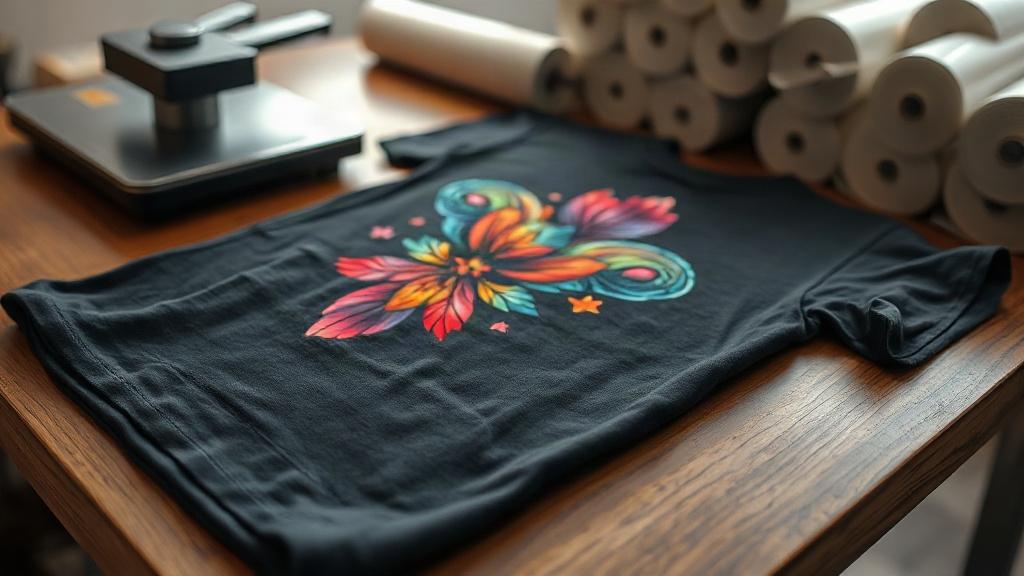
In the rapidly evolving world of custom apparel, DTF transfers have emerged as a game-changer for print on demand sellers. Unlike traditional methods that limit your creativity, DTF (direct to film) technology lets you print intricate designs on a wide range of fabrics with stunning vibrancy and durability. Whether you're a seasoned POD entrepreneur or just starting out, understanding DTF transfers can unlock new possibilities for your business, allowing you to offer products that stand out in a crowded market. In this guide, we'll dive deep into what DTF transfers are, how they work, and why they might be the perfect fit for your print on demand operations.
What Are DTF Transfers?
DTF transfers are a type of heat-applied decoration where your design is printed onto a special film, coated with a adhesive powder, and then transferred to the fabric using a heat press. The process begins with a digital printer that lays down CMYK plus white ink onto a PET film. The white ink acts as a base, allowing the colors to pop on both light and dark garments. After printing, a thermoplastic polyurethane (TPU) powder is applied to the wet ink, which acts as the adhesive when heat is applied. Once the powder is cured, the transfer is ready to be pressed onto the fabric. This method differs from DTG (direct to garment) printing, where the ink is printed directly onto the garment, and from vinyl cutting, where designs are limited to solid colors.
Why DTF Transfers Are a Game-Changer for Print on Demand
Print on demand businesses thrive on flexibility and efficiency. DTF transfers offer several advantages that align perfectly with the POD model.
Fabric Versatility
One of the biggest limitations of DTG printing is that it works best on 100% cotton. DTF transfers, however, adhere beautifully to a wide range of materials, including cotton, polyester, blends, and even leather. This means you can offer designs on hoodies, leggings, tote bags, and more, without worrying about the fabric composition. For POD sellers, this expands your product catalog significantly.
No Pretreatment Required
DTG printing often requires pretreatment liquid to be applied to the garment before printing, which adds time and cost. DTF transfers eliminate this step. The film itself carries the adhesive, so you simply press and go. This streamlines production, making it ideal for small batches or one-off orders typical in POD.
Vibrant Colors and Fine Details
DTF transfers excel at reproducing intricate details, gradients, and photographic images. The white ink base ensures that colors remain vibrant even on dark fabrics, something that can be challenging with DTG. Whether you're printing a detailed illustration or a bold graphic, DTF delivers crisp, high-resolution results.
Cost-Effective for Small Runs
Traditional screen printing requires separate screens for each color, making short runs expensive. DTF transfers have no minimum order quantity and no setup fees per color. You can print a single transfer or thousands, all at the same cost per unit. This is perfect for POD, where inventory is made to order.
DTF vs. DTG: Which Is Right for Your Business?
Both DTF and DTG have their place in the custom apparel industry. DTG is excellent for 100% cotton garments and offers a soft hand feel. However, DTF outperforms DTG on polyester and blends, and it doesn't require pretreatment. DTF also allows you to prepare transfers in advance and store them, which can be a logistical advantage. For POD sellers who want to offer a diverse range of products without investing in multiple printers, DTF is often the more versatile choice.
How to Get Started with DTF Transfers in Your POD Business
Integrating DTF transfers into your print on demand workflow is straightforward. Here's a step-by-step guide.
1. Choose the Right Equipment
You'll need a DTF printer, which typically uses pigment inks and a white ink circulation system. Popular brands include Epson and Roland, but there are also dedicated DTF printers from companies like STS and Prestige. Additionally, you'll need a heat press capable of reaching 325°F (160°C) and applying consistent pressure. A powder shaker and curing oven are also necessary for applying and melting the adhesive powder.
2. Prepare Your Design
Designs should be created in CMYK color mode and mirrored before printing. Since DTF transfers are pressed face down onto the fabric, the image must be flipped horizontally. Ensure your design has a transparent background or includes a white base layer for opacity. High-resolution files (300 DPI) are recommended for best results.
3. Print and Apply Powder
Print your design onto the DTF film. While the ink is still wet, sprinkle the TPU powder evenly over the design. Shake off excess powder, then cure the transfer in an oven or with a heat gun until the powder melts and becomes glossy. This usually takes about 2-3 minutes at 320°F (160°C).
4. Press onto Garment
Preheat your heat press to 325°F (160°C). Place the transfer face down onto the garment and press for 15-20 seconds with medium pressure. Let it cool completely before peeling off the film. For a matte finish, you can use a cover sheet and press again for a few seconds.
5. Scale Your Production
Once you've mastered the basics, you can streamline your process by creating batches of transfers for your most popular designs. Store them in a cool, dry place away from direct sunlight. When an order comes in, simply press and ship. This hybrid approach combines the efficiency of POD with the quality of DTF.
Common Challenges and How to Overcome Them
While DTF transfers are user-friendly, there are a few pitfalls to watch out for. One common issue is insufficient pressure or temperature during pressing, which can cause the transfer to peel. Always test your heat press settings with a scrap garment. Another challenge is powder adhesion; if the powder isn't cured properly, it may not stick to the film, leading to a failed transfer. Invest in a reliable curing oven and follow the manufacturer's guidelines. Lastly, DTF transfers can feel slightly thicker than DTG prints, but this is often acceptable for the durability they provide.
DTF Transfers and Sustainability
As consumers become more eco-conscious, POD businesses must consider their environmental impact. DTF transfers produce less waste compared to screen printing, as there are no screens or chemicals to dispose of. The TPU powder is also eco-friendly and free from PVC and phthalates. However, the PET film used in DTF transfers is not biodegradable, so it's important to dispose of it responsibly. Some companies are now offering recyclable films, which is a step in the right direction.
Frequently Asked Questions About DTF Transfers
Can I use DTF transfers on dark garments?
Absolutely. DTF transfers include a white ink base that makes colors pop on dark fabrics. The white layer is printed underneath the CMYK inks, ensuring opacity and vibrancy. This is one of the key advantages over DTG, which may require multiple passes to achieve similar results on dark colors.
How durable are DTF transfers after washing?
When applied correctly, DTF transfers are highly durable. They can withstand 50+ washes if you follow care instructions: turn the garment inside out, wash in cold water, and avoid bleach or fabric softeners. Tumble dry on low or hang dry. With proper care, the print will remain vibrant and won't crack or fade easily.
What fabrics work best with DTF transfers?
DTF transfers adhere well to cotton, polyester, cotton-poly blends, spandex, and even leather. The key is that the fabric must be able to withstand the heat of the press (typically 325°F). Avoid pressing on heat-sensitive materials like nylon or certain synthetics that may melt. Always test on a small area first.
Do I need a special printer for DTF transfers?
Yes, you need a DTF printer that uses pigment inks and has a white ink channel. You can convert some DTG printers to DTF, but it's best to use a dedicated DTF printer for optimal results. These printers are available from various manufacturers and range in price from a few thousand to tens of thousands of dollars, depending on size and speed.
Is DTF more expensive than other printing methods?
The cost per transfer depends on the size and complexity of the design, but generally, DTF is more cost-effective for short runs than screen printing. There are no setup fees, and you only pay for the ink, film, and powder. For POD, where you produce one-off items, DTF can be more economical than DTG because you don't need pretreatment or specialized garments.