
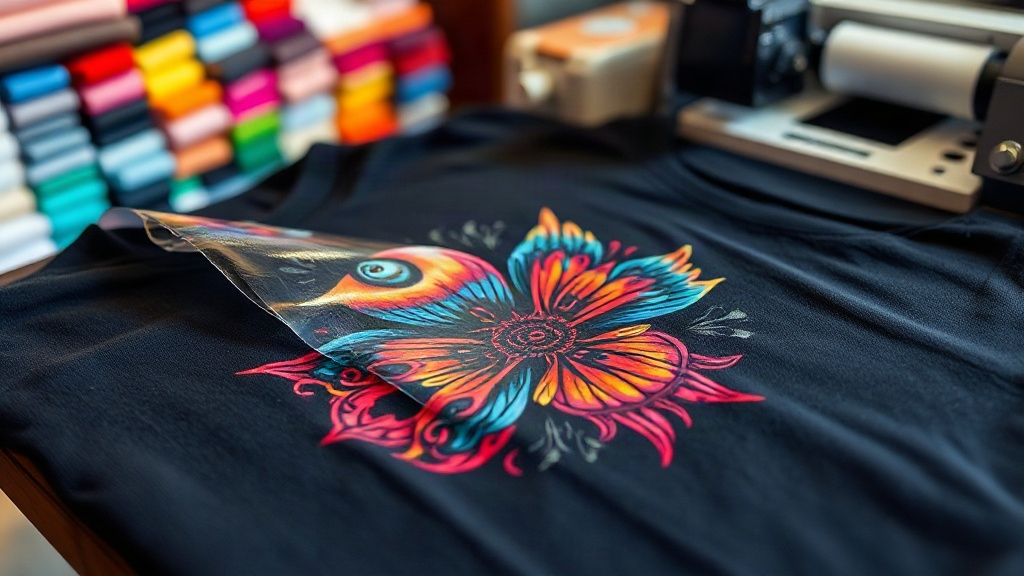
Imagine pressing a design onto a cotton t-shirt and seeing every tiny detail, from delicate lines to bold gradients, come to life with vivid intensity. That's the magic of DTF transfers. Unlike traditional methods that limit your creativity, DTF (Direct to Film) printing has opened a new world of possibilities for custom apparel. Whether you're a small business owner, a hobbyist, or a professional printer, understanding DTF transfers can elevate your game. In this guide, we'll dive deep into what DTF transfers are, how they work, and why they might be the perfect solution for your next project.
What Are DTF Transfers?
DTF transfers are a relatively new printing technology that involves printing a design onto a special film, coating it with adhesive powder, and then heat-pressing it onto fabric. The process starts with a digital printer that uses water-based inks to print the design onto a PET film. While the ink is still wet, a fine powder (usually a thermoplastic polyurethane) is applied, which adheres to the ink. After shaking off the excess powder, the film is cured, and the design is ready to be transferred. When you're ready to apply it, you simply place the film on the garment, apply heat and pressure with a heat press, and peel off the film. The result is a soft, stretchable, and durable print that bonds seamlessly to the fabric.
What sets DTF apart is its versatility. It works on almost any fabric, including cotton, polyester, blends, and even leather. That means you're not restricted to 100% cotton like with DTG (Direct to Garment) or limited to certain materials like with vinyl. This flexibility makes DTF transfers a game-changer for custom apparel businesses and creators who want to offer a wide range of products without investing in multiple printing methods.
How DTF Transfers Work: Step by Step
To appreciate the benefits, it helps to understand the DTF process in detail. Here's a breakdown of the steps involved:
- Design Preparation: Your artwork is prepared in a graphics program. It's important to mirror the image if needed, depending on the film and printer setup. Most DTF printers handle this automatically, but it's good to know.
- Printing: The design is printed onto a special PET film using a DTF printer. These printers use CMYK plus white ink to create vibrant colors and opacity. The white ink acts as a base, allowing the colors to pop on both light and dark fabrics.
- Powder Application: While the ink is still wet, a hot-melt adhesive powder is sprinkled over the print. The powder sticks to the ink. Excess powder is then shaken off, leaving a thin, even layer on the design.
- Curing: The film with the powder is heated to melt the powder, creating a smooth, dry surface. This step is crucial for the durability of the transfer.
- Transfer: The cured film is placed on the fabric with the design side down. A heat press is used to apply heat and pressure for a specific time (usually 10-15 seconds at 300-325°F). The adhesive melts and bonds with the fabric.
- Peeling: After pressing, the film is peeled off. You can do a hot peel or cold peel, depending on the film type. The design remains on the fabric, creating a permanent bond.
Each step requires attention to detail, but once you have the equipment and a bit of practice, the process becomes second nature. The beauty of DTF is that it eliminates the need for weeding, cutting, or layering, which are common with vinyl and screen printing.
Why Choose DTF Transfers for Your Custom Apparel?
There are several compelling reasons why DTF transfers have become a favorite among apparel decorators. Let's explore the key advantages.
1. Unmatched Versatility
As mentioned, DTF transfers adhere to a wide range of fabrics. Whether you're working with cotton, polyester, nylon, leather, or blends, DTF can handle it. This means you can offer custom prints on t-shirts, hoodies, jeans, caps, tote bags, and more without changing your process. For businesses, this versatility translates to more product options and happier customers.
2. Vibrant and Detailed Prints
DTF printers use high-quality inks that produce bright, saturated colors. The white ink base ensures that colors remain vibrant even on dark garments. Moreover, DTF can reproduce fine details, gradients, and photographic images with impressive accuracy. Unlike screen printing, which requires separate screens for each color, DTF is a digital process that captures every nuance in a single pass.
3. Durability and Stretchability
When applied correctly, DTF transfers are extremely durable. They withstand repeated washing without cracking, peeling, or fading. The prints also stretch with the fabric, making them ideal for stretchy materials like spandex and athletic wear. This durability ensures that your custom apparel looks great for a long time.
4. Cost-Effective for Small and Large Runs
DTF transfers are cost-effective for both short and long runs. There's no minimum order quantity, so you can print one-off designs without incurring high setup costs. For larger orders, the per-unit cost decreases, making it competitive with other methods. Additionally, the ability to gang multiple designs on a single film reduces waste and saves time.
5. Easy to Use
Compared to other printing methods, DTF has a relatively low learning curve. You don't need to be a screen printing expert or invest in expensive equipment like a DTG printer. A DTF printer, heat press, and some supplies are all you need. Many suppliers offer ready-to-press transfers if you prefer not to print yourself.
Applications of DTF Transfers
DTF transfers are used in a variety of applications, from personal projects to commercial production. Here are some common uses:
- Custom T-Shirts and Hoodies: Create personalized apparel for events, teams, or brands.
- Sportswear and Activewear: The stretchability makes DTF perfect for jerseys, leggings, and yoga pants.
- Denim and Jackets: Add intricate designs to denim without the stiffness of traditional methods.
- Bags and Accessories: Personalize tote bags, backpacks, and hats with logos or artwork.
- Promotional Items: Businesses can produce branded merchandise quickly and affordably.
The possibilities are endless, and as the technology evolves, new applications are emerging.
DTF Transfers vs. Other Printing Methods
To make an informed decision, it's helpful to compare DTF with other popular printing techniques.
DTF vs. DTG
DTG (Direct to Garment) printing involves printing directly onto the fabric. While DTG excels on 100% cotton, it struggles with polyester and dark colors. DTF, on the other hand, works on almost any fabric and produces vibrant prints on dark colors without pre-treatment. DTF also tends to be more durable and stretchable.
DTF vs. Screen Printing
Screen printing is cost-effective for large orders of simple designs, but it requires separate screens for each color and has setup costs. DTF is better for detailed, multi-color designs and short runs. Screen printing may offer a slightly softer feel for large solid areas, but DTF has come a long way in comfort.
DTF vs. Vinyl
Heat transfer vinyl (HTV) is great for simple one-color designs and personalization. However, it requires weeding, which is time-consuming, and layering multiple colors can be tricky. DTF allows you to print full-color designs in one go, with no weeding, and applies to a wider range of fabrics.
Getting Started with DTF Transfers: Practical Tips
If you're ready to incorporate DTF into your workflow, here are some practical tips to ensure success.
Choose the Right Equipment
Invest in a reliable DTF printer and heat press. Look for printers that offer good color management and easy maintenance. A quality heat press with even pressure and accurate temperature control is essential for consistent results.
Use Quality Supplies
Not all DTF films and powders are created equal. Cheaper supplies can lead to clogs, poor adhesion, or dull prints. Purchase from reputable suppliers and follow their recommendations for settings.
Master the Press Settings
Each fabric and film may require slightly different press settings. Temperature, pressure, and time all play a role. Start with the manufacturer's recommendations and adjust as needed. Always test on a scrap piece of fabric before pressing your final product.
Proper Storage
Store unused DTF transfers in a cool, dry place away from direct sunlight. Moisture can affect the powder and ink, so keep them sealed in a bag with desiccant if possible.
Troubleshooting Common Issues
If you encounter problems like cracking or peeling, check your press settings, powder application, and curing. Sometimes, increasing pressure or time can solve adhesion issues. For color issues, ensure your printer profiles are correct and inks are fresh.
Frequently Asked Questions About DTF Transfers
How long do DTF transfers last?
When applied correctly and cared for properly, DTF transfers can last as long as the garment itself. They withstand dozens of washes without fading or cracking. To maximize longevity, wash inside out in cold water and avoid ironing directly on the print.
Can I use DTF transfers on dark colors?
Absolutely! DTF transfers include a white ink base that makes colors pop on dark fabrics. This is one of the main advantages over DTG, which requires pre-treatment for dark garments.
Do I need a special printer for DTF?
Yes, you need a DTF printer that uses DTF inks and can handle PET film. However, if you don't want to invest in a printer, you can buy pre-printed transfers from suppliers and just use a heat press to apply them.
What fabrics work best with DTF transfers?
DTF works on a wide range of fabrics, including cotton, polyester, blends, nylon, leather, and more. It's particularly good for polyesters and stretchy materials where other methods may fail.
Is DTF printing cost-effective for small businesses?
Yes, DTF is very cost-effective for small businesses because there are no minimum order requirements and the per-unit cost is reasonable. It allows you to offer custom apparel without large upfront investments.
Final Thoughts
DTF transfers represent a significant leap forward in garment decoration. Their versatility, durability, and vibrant results make them an excellent choice for anyone looking to create custom apparel. Whether you're a seasoned professional or just starting out, embracing DTF technology can open up new opportunities and delight your customers. With the right knowledge and tools, you can achieve professional-quality prints that stand out. So why not give DTF transfers a try? Your creativity is the only limit.