
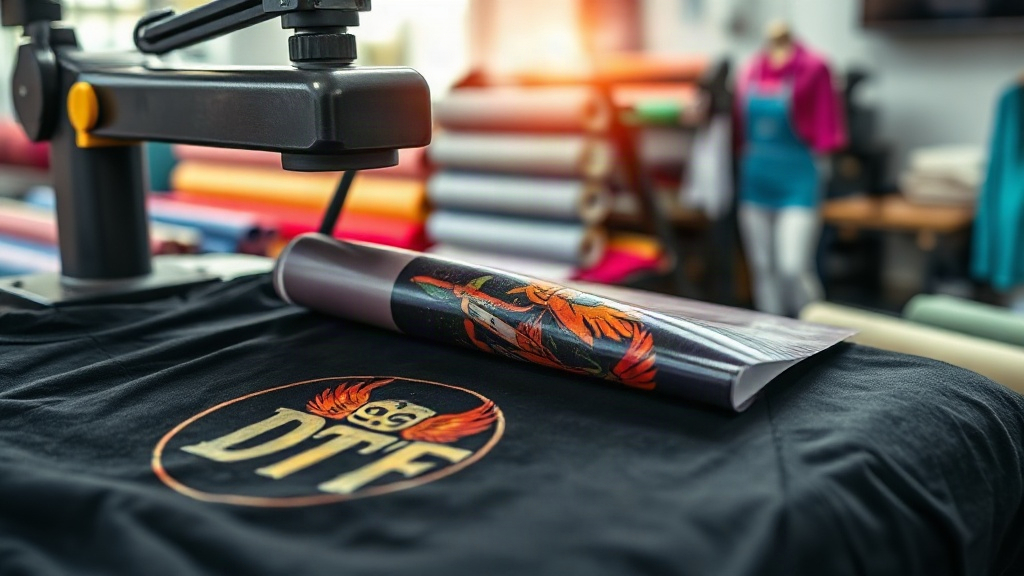
When you want to create custom t-shirts that stand out, the printing method you choose makes all the difference. DTF transfers have quickly become a favorite among apparel decorators for their ability to produce vivid, durable designs on a wide range of fabrics. Whether you're running a small print shop or just starting with heat press projects, understanding DTF technology can open up new creative and business opportunities.
What Are DTF Transfers?
DTF stands for Direct to Film. It's a printing process where your design is printed onto a special film, coated with a powdered adhesive, and then heat-pressed onto the fabric. Unlike DTG (Direct to Garment) printing, which requires pre-treatment and works best on 100% cotton, DTF transfers adhere to cotton, polyester, blends, and even treated nylon. The result is a soft, stretchable print that holds up wash after wash.
The magic of DTF lies in its simplicity. You don't need a specialized printer for each fabric type. One DTF printer can produce transfers for an entire product line, from cotton tees to polyester hoodies. This versatility is why many small businesses are switching to DTF for their custom apparel needs.
Why Choose DTF Transfers Over Other Methods?
If you've tried screen printing or vinyl, you know each has its limitations. Screen printing requires separate screens per color, making short runs expensive. Vinyl is great for simple designs but struggles with intricate details. DTF transfers bridge the gap, offering full-color, high-detail printing without the setup costs.
Another advantage is the ability to print on dark garments without a white underbase. DTF prints include a white layer that makes colors pop on black or navy shirts. This means you can achieve bright, opaque designs on any color fabric without the hassle of multiple passes.
Durability is another key benefit. When applied correctly, DTF transfers can withstand 50+ washes without cracking or fading. They also stretch with the fabric, so they won't crack when the garment is worn or stretched. This makes them ideal for athletic wear and kids' clothing.
How to Apply DTF Transfers: Step-by-Step
Applying DTF transfers is straightforward, but following the right steps ensures a professional finish. Here's what you need to do:
- Prepare your heat press. Set the temperature to 325°F (160°C) and preheat the garment for 5-10 seconds to remove moisture.
- Position the transfer. Place the DTF transfer on the garment with the printed side facing up. The film should be on top.
- Press. Apply medium pressure for 10-15 seconds. If you're using a home iron, press firmly for 30-40 seconds.
- Peel. Wait for the transfer to cool completely (cold peel) before removing the film. This ensures the adhesive bonds properly.
- Post-press. For extra durability, cover the design with parchment paper and press again for 5 seconds.
Each DTF transfer comes with specific instructions, so always check the supplier's recommendations. With practice, you'll be able to apply transfers quickly and consistently.
Choosing the Right DTF Transfer Supplier
Not all DTF transfers are created equal. The quality of the film, ink, and adhesive powder affects the final outcome. When sourcing transfers, look for suppliers that use high-quality materials and provide clear application guidelines. Many suppliers offer custom transfer services where you can upload your artwork and receive ready-to-press transfers.
Consider these factors when selecting a supplier:
- Ink quality: Vibrant, wash-resistant inks are essential for long-lasting prints.
- Film thickness: Thinner films conform better to fabric and feel softer.
- Adhesive powder: Fine powder ensures a smooth, strong bond.
- Customer service: Responsive support can help you troubleshoot issues.
If you're planning to produce transfers in-house, investing in a DTF printer and shaker can be cost-effective in the long run. However, for those just starting, outsourcing to a reliable supplier is a smart way to test the market.
Common Applications of DTF Transfers
DTF transfers are incredibly versatile. They're used for t-shirts, hoodies, tote bags, denim jackets, and even shoes. Because they work on both natural and synthetic fabrics, they're a go-to for personalized gifts, team uniforms, and promotional merchandise.
Small businesses love DTF for its ability to handle small batch orders with multiple design variations. You can print one-off designs without minimum order quantities, making it perfect for custom Etsy shops or local sports teams.
Troubleshooting DTF Transfer Issues
Even with the best materials, problems can arise. Here are some common issues and how to fix them:
- Transfer peeling off: Increase pressure or temperature. Ensure the garment is preheated and free of wrinkles.
- Cracking: This usually happens if the transfer is stretched too much during application. Use a cold peel and avoid over-stretching.
- Dull colors: Check if the adhesive powder is fully melted. Adjust temperature or time accordingly.
- Film sticking to the press: Use a Teflon sheet or parchment paper between the transfer and the heat press.
With a bit of experimentation, you'll find the sweet spot for your equipment and materials.
DTF vs. Other Printing Methods: A Quick Comparison
How does DTF stack up against screen printing, DTG, and vinyl? Here's a quick breakdown:
- Screen printing: Best for large orders with few colors. High setup costs.
- DTG: Great for 100% cotton, but requires pre-treatment and can be less durable.
- Vinyl: Ideal for simple designs, but limited to one color per layer.
- DTF: Full-color, no pre-treatment, works on many fabrics, durable, and cost-effective for small to medium runs.
For many businesses, DTF offers the best balance of quality, versatility, and cost.
Frequently Asked Questions About DTF Transfers
How long do DTF transfers last on a shirt?
With proper application and care, DTF transfers can last 50 washes or more without significant fading or cracking. Always wash inside out in cold water and avoid bleach.
Can I use DTF transfers on polyester?
Yes, DTF transfers work well on polyester and polyester blends. However, lower temperatures may be needed to prevent dye migration from the fabric.
Do I need a special printer for DTF transfers?
To produce DTF transfers, you need a DTF printer, DTF ink, and adhesive powder. Alternatively, you can order custom transfers from a supplier and apply them with a heat press.
What's the difference between DTF and DTG?
DTF transfers are printed on film and then applied to the garment, while DTG prints directly onto the fabric. DTF works on more fabric types and often provides better durability on dark colors.
Can I stretch DTF transfers?
Yes, DTF transfers are flexible and can stretch with the fabric without cracking, making them suitable for athletic wear and stretchy materials.
DTF transfers are a game-changer for custom apparel. With their vibrant colors, durability, and ease of use, they empower creators to bring their designs to life on almost any fabric. Whether you're a seasoned pro or a newcomer, adding DTF to your toolkit can elevate your products and delight your customers.