
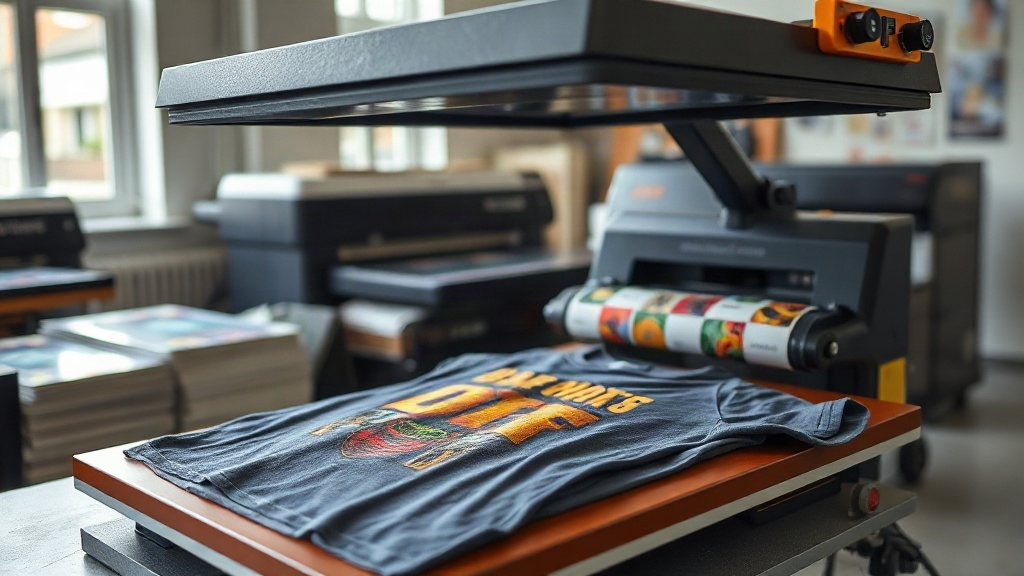
Imagine pressing a vibrant, detailed design onto a cotton t-shirt in under a minute, with no color limitations and no need for weeding. That's the promise of DTF transfers, a technology that's quickly becoming the go-to method for custom apparel decorators. Unlike traditional screen printing or vinyl, DTF (Direct to Film) transfers offer a versatile, cost-effective solution for both small batches and large orders. In this guide, we'll walk you through everything you need to know about DTF transfers, from how they work to why they might be the perfect fit for your next project.
What Are DTF Transfers?
DTF transfers are a type of heat-applied decoration where your design is printed onto a special film, coated with a thermoplastic powder, and then transferred to fabric using a heat press. The process involves printing with water-based or pigment inks onto a PET film, dusting the wet ink with a hot-melt adhesive powder, and curing the powder to create a durable, flexible layer. When you press the transfer onto a garment, the adhesive melts and bonds the design to the fabric, resulting in a soft, stretchable print that can withstand repeated washing.
The DTF Printing Process Step by Step
- Design preparation: Create your artwork in a graphics program, ensuring it's mirrored (unless your printer software does it automatically).
- Printing: Use a DTF printer with white ink capability to print the design onto a PET film. The printer lays down a white ink base, followed by CMYK colors.
- Powdering: While the ink is still wet, apply hot-melt adhesive powder evenly over the printed area. Shake off excess.
- Curing: Place the film in a curing oven or under a heat source to melt the powder, typically at around 160°C for 2-3 minutes.
- Transfer: Position the transfer on your garment and press at 160-170°C for 10-15 seconds with medium pressure. Peel the film off warm or cold, depending on the film type.
Why Choose DTF Transfers for Your Custom Apparel?
DTF transfers have gained massive popularity for several compelling reasons. First and foremost, they work on a wide range of fabrics, including cotton, polyester, blends, and even leather. This versatility means you can decorate almost any garment without worrying about adhesion issues. Additionally, DTF transfers allow for incredibly fine details, gradients, and photorealistic images because the process doesn't require separate screens or color separations. You can print full-color designs with millions of colors in one go.
Another major advantage is the low setup cost. Unlike screen printing, which requires a screen for each color, DTF transfers have no plate or screen fees. This makes them ideal for small businesses, startups, or anyone doing short runs. Plus, the prints are durable and stretchable, so they won't crack or peel easily when properly applied and cared for.
DTF vs. Other Decoration Methods
- DTF vs. Screen Printing: Screen printing is cost-effective for large quantities but requires separate screens for each color. DTF is better for detailed, multi-color designs and small batches.
- DTF vs. DTG: Direct-to-garment printing works best on 100% cotton and can be slower. DTF works on more fabrics and often produces more vibrant colors.
- DTF vs. Vinyl: Heat transfer vinyl is great for simple, single-color designs but can't handle complex images. DTF excels with full-color, detailed artwork.
Getting Started with DTF Transfers: What You Need
If you're ready to dive into DTF, you'll need a few key pieces of equipment. A DTF printer is the core investment; these printers use specialized inks and can print white ink, which is essential for vibrant designs on dark garments. You'll also need a heat press capable of reaching at least 170°C, a curing oven or heat gun for powder curing, and high-quality DTF film and powder. Many suppliers offer starter kits that bundle everything together, which can be a smart way to begin.
When choosing a printer, consider your production volume and budget. Desktop DTF printers are available for small shops, while industrial models handle higher volumes. Don't forget about software: you'll need RIP software to manage color profiles and print settings. Finally, stock up on garments for testing, as each fabric may require slight adjustments in pressure, temperature, or time.
Tips for Perfect DTF Transfers
- Test your settings: Every heat press and fabric combination is different. Run test presses to find the ideal temperature, pressure, and dwell time.
- Control moisture: Pre-press garments to remove moisture, which can interfere with adhesion.
- Use quality materials: Cheaper films and powders can lead to inconsistent results. Invest in reputable brands.
- Store transfers properly: Keep unused transfers in a cool, dry place to prevent the powder from absorbing moisture.
- Wash inside out: Advise customers to wash garments inside out in cold water and avoid harsh detergents to extend the life of the print.
Common Challenges and How to Overcome Them
Even with the best equipment, you might run into issues like incomplete transfer, dull colors, or poor wash durability. Incomplete transfer often stems from insufficient pressure or uneven heat distribution. Make sure your heat press is calibrated and apply consistent pressure. Dull colors can result from under-curing the powder or using expired film. Always follow the manufacturer's curing guidelines. If the print cracks after washing, it's usually due to overcuring or stretching the garment while hot. Allow the transfer to cool completely before stretching or wearing.
Another challenge is printing on dark colors: without enough white ink, colors can appear muted. Ensure your printer's white ink channels are properly maintained and that you're using the correct color profile. If you're new to DTF, consider joining online forums or watching tutorials to learn from experienced users. The DTF community is growing, and many are willing to share their insights.
Applications of DTF Transfers Beyond T-Shirts
While t-shirts are the most common canvas, DTF transfers can be applied to much more. Think tote bags, hoodies, caps, denim jackets, and even shoes. The flexibility of the transfer allows it to conform to curved surfaces and small areas. You can also use DTF on performance wear, as the print stretches with the fabric without cracking. This opens up opportunities for customizing team uniforms, promotional items, and personalized gifts. The only limit is your creativity.
Frequently Asked Questions About DTF Transfers
How long do DTF transfers last?
With proper application and care, DTF transfers can last as long as the garment itself. They typically withstand 50+ washes without significant fading or cracking when washed inside out in cold water and tumble dried on low.
Can I use DTF transfers on 100% polyester?
Yes, DTF transfers work well on polyester and polyester blends. However, because polyester is heat-sensitive, you should use lower temperatures (around 150°C) and shorter press times to avoid scorching or dye migration.
Do I need a special printer for DTF?
Yes, you need a DTF printer that can handle white ink and has a powder shaker unit. Converted inkjet printers can work, but dedicated DTF printers are more reliable and produce consistent results.
What is the difference between DTF and DTG?
DTF involves printing onto a film and then transferring to the garment, while DTG prints directly onto the fabric. DTF works on more fabric types and often yields more vibrant colors, while DTG is limited mostly to cotton and requires pre-treatment.
Can I stretch DTF prints?
Yes, DTF transfers are stretchable and flexible, making them suitable for athletic wear and stretchy fabrics. However, avoid stretching the print while it's still hot, as this can cause cracking.
Final Thoughts
DTF transfers are a game-changer for custom apparel decoration, offering unparalleled versatility, vibrant colors, and durability. Whether you're a small business owner, a hobbyist, or a large-scale producer, incorporating DTF into your workflow can expand your offerings and delight your customers. With the right equipment, materials, and techniques, you can achieve professional results that rival any other decoration method. So why not give DTF a try? Your next custom apparel project might just become your best one yet.