
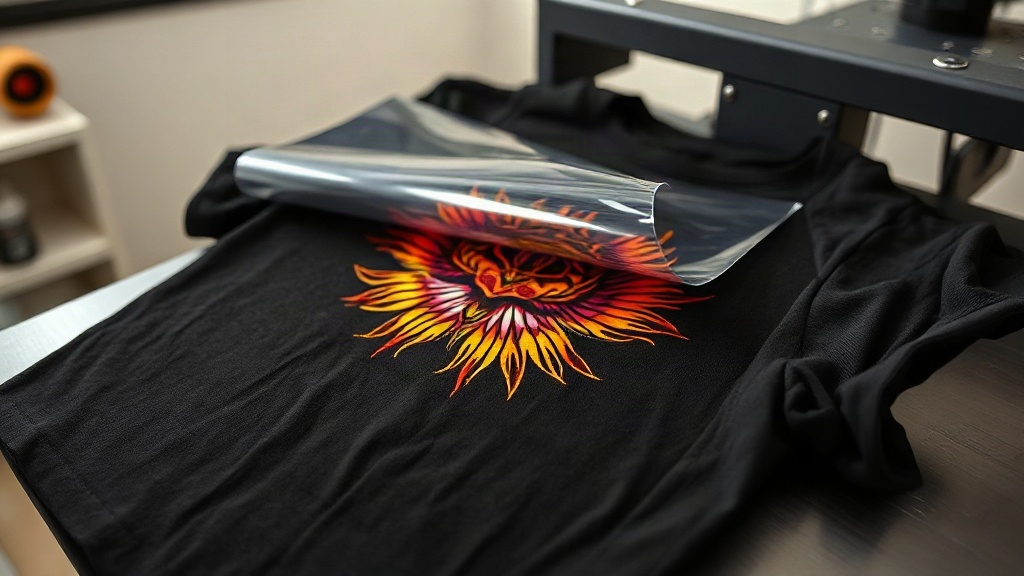
If you've been searching for a printing method that combines vibrant colors, incredible detail, and unmatched versatility, DTF transfers might just be your answer. Unlike traditional techniques that limit your fabric choices or require expensive setup, DTF (Direct to Film) printing has quickly become a favorite among print-on-demand sellers. Whether you're a seasoned pro or just starting, understanding DTF transfers can open up new possibilities for your custom apparel business.
In this guide, we'll walk you through everything you need to know about DTF transfers: how they work, why they're a game-changer for print on demand, and how to get started. We'll also share insider tips to help you avoid common pitfalls and maximize your profits.
What Are DTF Transfers?
DTF transfers are a type of heat transfer that involves printing a design onto a special film, coating it with adhesive powder, and then using a heat press to apply it to a garment. The process is called "Direct to Film" because the design is printed directly onto the film, which acts as a carrier. Once transferred, the design becomes permanently bonded to the fabric, offering excellent durability and stretchability.
Unlike DTG (Direct to Garment) printing, which requires the shirt to be loaded into a printer, DTF transfers are printed separately and can be applied to a wide range of materials, including cotton, polyester, blends, and even nylon. This flexibility makes DTF transfers a versatile option for print-on-demand businesses that want to offer diverse products without investing in multiple printing technologies.
How DTF Transfers Work: Step by Step
Understanding the DTF process helps you appreciate its advantages and troubleshoot issues. Here's a breakdown of the steps:
- Design Preparation: Your artwork is prepared digitally, with colors separated and white ink layer created for opacity.
- Printing: A DTF printer prints the design onto a PET film using specialized inks (CMYK + white).
- Powder Application: While the ink is still wet, a hot-melt adhesive powder is applied evenly over the design.
- Curing: The film passes through a curing oven or heat press to melt the powder, creating a dry, tacky adhesive layer.
- Transfer: The film is placed on the garment and pressed with a heat press at specific temperature and pressure.
- Peeling: After pressing, the film is peeled away (hot or cold peel), leaving the design bonded to the fabric.
Each step requires precision, but once mastered, DTF transfers yield professional results that rival screen printing and DTG.
Why DTF Transfers Are Perfect for Print on Demand
Print on demand (POD) is all about efficiency, customization, and low risk. DTF transfers align perfectly with these principles. Here's why:
No Minimum Order Quantities
With DTF transfers, you can print one-off designs without the setup costs associated with screen printing. This means you can test new designs, offer personalized products, and fulfill orders as they come in, without tying up capital in inventory.
Wide Fabric Compatibility
DTF transfers adhere to almost any fabric, including cotton, polyester, blends, spandex, and even leather. This opens up a world of product possibilities beyond t-shirts: hoodies, tote bags, caps, and more.
Vibrant Colors and Fine Details
DTF printing uses a white ink base that makes colors pop on both light and dark garments. It also reproduces fine lines, gradients, and photographic images with impressive accuracy, which is ideal for intricate designs.
Durability and Stretchability
When applied correctly, DTF transfers resist cracking, peeling, and fading. The adhesive powder creates a strong bond that moves with the fabric, making it suitable for stretchy materials like athletic wear.
Cost-Effective for Small Businesses
While the initial investment in a DTF printer and supplies can be significant, the per-unit cost is low, especially for small to medium runs. You can produce high-quality transfers at a fraction of the cost of other methods, boosting your profit margins.
DTF vs. Other Printing Methods
How does DTF stack up against DTG, screen printing, and vinyl? Let's compare:
- DTG: Best for 100% cotton, but limited on dark colors and blends. DTF works on more fabrics and has better color vibrancy on darks.
- Screen Printing: Cost-effective for large orders, but requires setup and is impractical for small batches. DTF has no minimums and handles complex designs easily.
- Vinyl: Good for simple text and shapes, but not for full-color images. DTF excels at detailed, multi-color graphics.
For print-on-demand sellers who need flexibility, DTF transfers often come out on top.
Getting Started with DTF Transfers
Ready to incorporate DTF transfers into your business? Here's what you need:
Equipment
- DTF printer (e.g., Epson F2100 converted, or dedicated DTF printers)
- Heat press (for both curing and transferring)
- PET film (double-sided or single-sided)
- DTF ink (CMYK + white)
- Adhesive powder (hot melt or TPU)
- Curing oven (optional but recommended for efficiency)
Supplies
Choose high-quality supplies to ensure consistent results. Cheap film or powder can lead to poor adhesion and dull colors. Look for reputable brands and read reviews before buying.
Training and Practice
DTF printing has a learning curve. Practice on scrap fabric to dial in your press settings (temperature, pressure, time) and peeling method. Join online communities to learn from others' experiences.
Expert Tips for Flawless DTF Transfers
Avoid common mistakes with these professional insights:
- Pre-press garments: Remove moisture and wrinkles before transferring to ensure proper adhesion.
- Use the right pressure: Medium to high pressure is key; too little causes poor bond, too much can distort the design.
- Control temperature: Typically 325°F (160°C) for 15 seconds, but always follow your transfer supplier's recommendations.
- Peel correctly: Cold peel (wait until cool) is common for DTF, but some films are hot peel. Test to find what works.
- Wash inside out: Advise customers to wash garments inside out in cold water and avoid fabric softener to prolong life.
Common Challenges and How to Overcome Them
Even with experience, you might encounter issues. Here's how to troubleshoot:
Design Cracking or Fading
Usually caused by insufficient pressure, incorrect temperature, or poor-quality powder. Ensure your heat press is calibrated and use fresh supplies.
Adhesive Residue on Film
If the powder doesn't melt fully, it can leave a sticky residue. Increase curing time or temperature slightly.
Colors Looking Dull
This can happen if the white ink layer is too thin or the film is low quality. Use a printer with a good white ink management system and high-opacity film.
Frequently Asked Questions About DTF Transfers
How long do DTF transfers last on garments?
With proper application and care, DTF transfers can last 50+ washes without significant fading or cracking. Following washing instructions is crucial.
Can I use DTF transfers on dark colors?
Absolutely! DTF transfers are ideal for dark garments because the white ink base ensures colors remain vibrant and opaque.
Do I need a special printer for DTF transfers?
Yes, you need a DTF printer that uses DTF inks and can print white ink. Some modified Epson printers work, but dedicated DTF printers are recommended for reliability.
Is DTF printing cost-effective for small businesses?
Yes, especially for small to medium runs. The per-unit cost is low, and there are no minimum order requirements, making it accessible for startups.
What fabrics work best with DTF transfers?
DTF transfers work on cotton, polyester, blends, spandex, nylon, and more. They are particularly good for stretchy fabrics and dark colors.
Final Thoughts
DTF transfers have revolutionized the print-on-demand industry by offering unmatched versatility, vibrant results, and cost-efficiency. Whether you're expanding your product line or just starting, mastering DTF transfers can give you a competitive edge. Remember, quality supplies, proper technique, and a bit of practice are your keys to success. So why not give DTF transfers a try? Your customers will love the results, and your bottom line will thank you.