
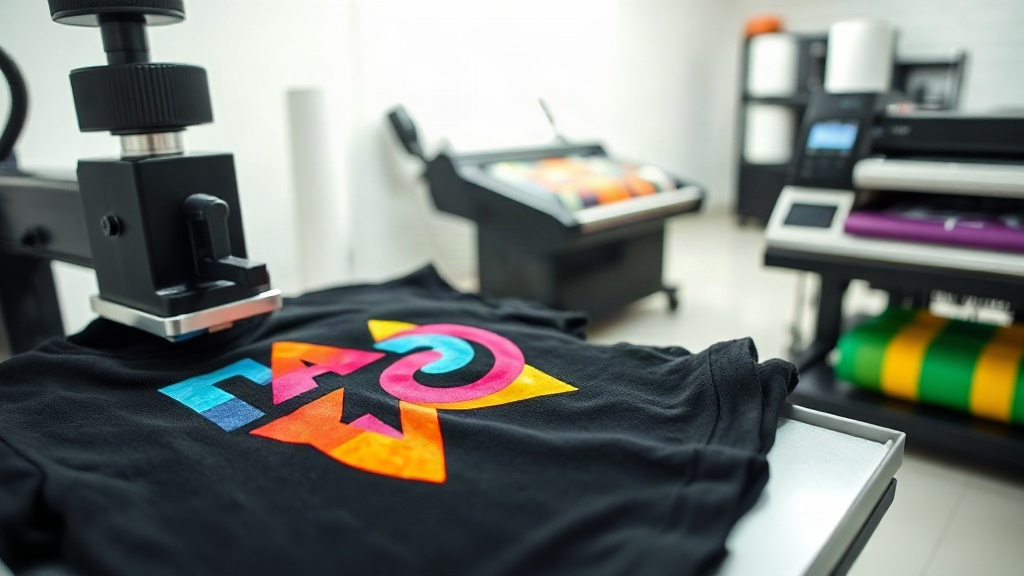
When you're running a print on demand (POD) business, choosing the right decoration method can make or break your product quality and customer satisfaction. Enter DTF transfers—a game-changing technology that's quickly becoming a favorite among POD sellers. Unlike traditional methods that limit you to certain fabrics or colors, DTF transfers offer unmatched versatility, vibrant results, and impressive durability. In this guide, we'll dive deep into what DTF transfers are, how they work, and why they might be the missing piece in your POD puzzle.
What Are DTF Transfers?
DTF stands for Direct to Film. It's a printing process where your design is printed onto a special film, coated with a adhesive powder, and then heat-pressed onto the fabric. The result? A soft, stretchable, and long-lasting print that adheres to a wide range of materials, including cotton, polyester, blends, and even nylon. Unlike DTG (Direct to Garment) or sublimation, DTF transfers don't require pre-treatment or special coatings, making them incredibly user-friendly for POD businesses.
The DTF Printing Process Step by Step
- Design Preparation: Create your artwork in a graphics program, ensuring it's mirrored if necessary. DTF printers handle both light and dark garments without color adjustments.
- Printing: The design is printed onto a PET film using specialized DTF inks (CMYK plus white). The white ink layer acts as a base, allowing the colors to pop on any fabric color.
- Powdering: While the ink is still wet, a hot-melt adhesive powder is applied evenly over the film. Excess powder is shaken off.
- Curing: The film passes through a heat source (often a conveyor oven) to melt the powder, creating a dry, tack-free surface.
- Transfer: The film is placed on the garment and heat-pressed at around 160°C (320°F) for 10-15 seconds. After cooling, the film is peeled off, leaving a vibrant, durable print.
Why DTF Transfers Are a Game-Changer for Print on Demand
If you're tired of the limitations of DTG or vinyl, DTF transfers offer a breath of fresh air. Here's why POD sellers are making the switch:
- Fabric Freedom: Works on cotton, polyester, blends, leather, and more. No more turning away customers with 50/50 tees!
- No Pre-Treatment: Skip the tedious and messy pre-treatment step required for DTG on dark shirts.
- Vibrant Colors: The white ink base ensures colors remain bright and opaque, even on black or navy garments.
- Durability: DTF prints resist cracking, peeling, and fading after multiple washes, often outlasting DTG prints.
- Cost-Effective for Small Batches: No minimums, no screens, no setup fees. Perfect for one-off orders or testing new designs.
- Stretchability: The print moves with the fabric, making it ideal for performance wear and stretchy materials.
DTF vs. DTG vs. Sublimation: Which Is Right for You?
Let's break down the key differences to help you choose the best method for your POD business.
- DTF: Best for any fabric, any color, small to medium batches. Requires a DTF printer and heat press. Soft hand feel, excellent durability.
- DTG: Best for 100% cotton, light colors. Requires pre-treatment for darks, can be costly for small batches. Soft feel but prone to fading.
- Sublimation: Best for polyester and light-colored fabrics. No feel (ink becomes part of fabric), but limited to poly and requires special paper and ink.
For POD sellers who want maximum flexibility without compromising quality, DTF transfers often come out on top.
How to Get Started with DTF Transfers in Your POD Business
Ready to integrate DTF into your workflow? Follow these steps to ensure success:
- Invest in Quality Equipment: You'll need a DTF printer (or outsource to a DTF transfer supplier), a heat press, and DTF film and powder. Start with a reliable printer like the Epson F2100 converted for DTF, or purchase transfers from a reputable supplier.
- Master the Heat Press Settings: Temperature, pressure, and time are critical. Typically, 160°C (320°F) for 10-15 seconds with medium pressure. Always test with your specific materials.
- Choose the Right Film and Powder: Not all films and powders are created equal. Look for films that offer easy peeling (hot or cold) and powders with a low melting point for smooth results.
- Design with DTF in Mind: Avoid extremely fine details or very thin lines, as they may not transfer perfectly. Bold, vibrant designs work best.
- Offer Samples to Customers: Showcase the quality of DTF prints by sending samples or including close-up photos in your listings.
Common DTF Challenges and How to Overcome Them
Even though DTF is relatively straightforward, you might encounter a few hiccups. Here's how to troubleshoot:
- Incomplete Transfer: Ensure even pressure and correct temperature. If parts of the design don't adhere, increase pressure or time slightly.
- Color Fading After Wash: This usually indicates under-curing. Make sure the powder is fully melted and the transfer is properly pressed.
- Film Peeling Issues: If the film sticks to the garment, try cold peel instead of hot peel, or adjust your powder application.
- Clogged Printheads: Regular maintenance and using high-quality inks can prevent clogs. Run daily nozzle checks.
Expert Tips for Maximizing DTF Success
Take your DTF game to the next level with these pro tips:
- Layer for Special Effects: Combine DTF with other techniques like embroidery or vinyl for unique designs.
- Test Different Fabrics: DTF works on many materials, but always test on a small area first, especially with delicate fabrics.
- Store Transfers Properly: Keep unused transfers in a cool, dry place to prevent premature curing.
- Market the Durability: Highlight the wash resistance and stretchability in your product descriptions to attract quality-conscious buyers.
Frequently Asked Questions About DTF Transfers
How long do DTF transfers last on garments?
With proper application and care, DTF transfers can last 50+ washes without significant fading or cracking. Always follow wash instructions: turn the garment inside out, use cold water, and avoid harsh detergents.
Can I use DTF transfers on dark and light fabrics?
Absolutely! DTF transfers include a white ink base, so they show up vividly on both dark and light fabrics. No need for separate transfer types.
Do I need a special printer for DTF transfers?
Yes, you need a DTF printer that uses DTF inks and can print on PET film. Alternatively, you can order pre-printed DTF transfers from suppliers and just use a heat press.
Is DTF transfer cost-effective for small orders?
Yes, DTF is very cost-effective for small batches because there are no setup fees or minimums. You only pay for the materials used, making it ideal for print on demand.
What fabrics work best with DTF transfers?
DTF works on a wide range of fabrics including cotton, polyester, blends, nylon, and even leather. It's particularly good for stretchy materials where other methods might crack.