
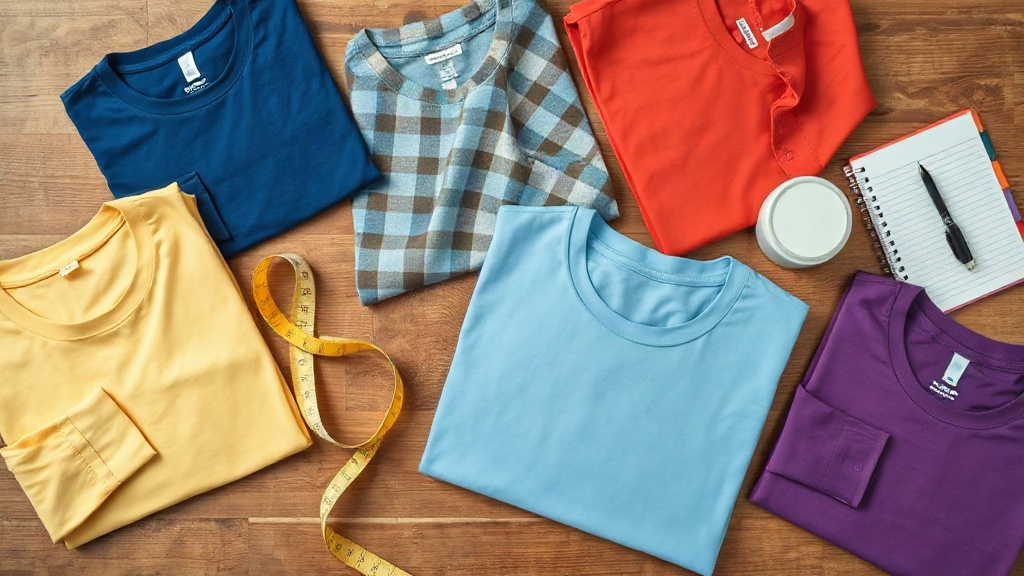
If you have been selling print on demand for any length of time, you already know that the quality of your blank apparel can make or break your business. But there is a category of blanks that goes beyond basic cotton tees: smart blanks. These are not just any blanks; they are carefully selected garments that combine comfort, durability, and printability in a way that maximizes your profit margins and keeps customers coming back. In this article, I will share what I have learned from years of working with suppliers and testing countless blanks, so you can make smarter decisions for your shop.
What Are Smart Blanks and Why Do They Matter?
Smart blanks are apparel items that have been engineered or chosen to deliver superior performance for printing, wearing, and washing. They typically feature a tight knit, consistent fabric weight, and a surface that accepts DTG, screen printing, and heat transfer vinyl with ease. Unlike generic blanks, smart blanks are often pre-shrunk, ring-spun, and made from combed cotton, which means less pilling and fading over time. For print on demand sellers, this translates to fewer complaints, lower return rates, and higher customer lifetime value.
Why does this matter? Because in a crowded marketplace, your reputation is built on the unboxing experience. A customer who receives a shirt that feels soft, fits well, and shows a crisp print is far more likely to order again and recommend your store. On the flip side, a cheap blank that shrinks after one wash or has a rough texture can lead to negative reviews that haunt your listings for months. Smart blanks are an investment in quality that pays off through repeat business.
Key Characteristics of Smart Blanks
- Fabric quality: Ring-spun cotton or cotton-poly blends that are soft to the touch and durable.
- Consistent sizing: Blanks that follow true-to-size measurements, reducing fit-related returns.
- Print-friendly surface: Smooth, tight weave that holds ink well and resists cracking.
- Colorfastness: Dyes that stay vibrant after multiple washes.
- Ethical manufacturing: Many smart blanks come from facilities with fair labor and sustainable practices, which appeals to conscious consumers.
How to Choose the Right Smart Blanks for Your Niche
Not all smart blanks are created equal, and the best choice depends on your target audience and the types of designs you sell. For example, if you cater to fitness enthusiasts, you will want moisture-wicking performance fabrics. If your niche is vintage-inspired graphics, a soft, slightly faded cotton blend might work better. Let's break down the selection process.
Step 1: Identify Your Customer's Priorities
Start by analyzing your existing orders and customer feedback. Are people complaining about shrinkage? Do they love the softness but wish the colors were more vibrant? Use this data to prioritize features. For instance, if you sell to a younger demographic, trendy oversized fits and eco-friendly materials might be top of mind. If your audience is older, comfort and easy care could be more important.
Step 2: Test Before You Commit
Never rely solely on supplier descriptions. Order samples of potential smart blanks and put them through real-world tests. Print your most detailed design on each, wash them according to care instructions, and evaluate how they hold up. I keep a spreadsheet where I rate each blank on softness, print quality, shrinkage, and color retention after five washes. This hands-on testing has saved me from costly mistakes more than once.
Step 3: Consider Your Printing Method
Different printing techniques interact differently with fabrics. DTG printing works best on 100% cotton with a high thread count, while screen printing can be used on a wider range of materials but may require a specific mesh count. Heat transfer vinyl adheres well to cotton-poly blends but can peel if the fabric has a rough texture. If you offer multiple printing options, choose smart blanks that perform well across all methods to simplify your inventory.
- DTG: Opt for 100% ring-spun cotton, pre-treated for optimal ink absorption.
- Screen printing: Look for tight-knit fabrics that prevent ink from bleeding.
- HTV: Choose blends with at least 50% cotton for better adhesion.
The Cost-Benefit Analysis of Smart Blanks
At first glance, smart blanks may seem more expensive than basic options. A standard blank might cost you $3, while a smart blank could be $5 or $6. However, the true cost goes beyond the upfront price. Cheaper blanks often lead to higher return rates, which eat into your profits and damage your seller metrics. Let's run some numbers.
Suppose you sell a t-shirt for $25. With a basic blank, you might see a 10% return rate due to quality issues. That means for every 100 shirts sold, you lose $250 in revenue (assuming you refund the full amount) plus shipping costs. With a smart blank, your return rate might drop to 2%, saving you $200 in refunds. Additionally, satisfied customers are more likely to leave positive reviews, which can increase your conversion rate by 5-10%. Over time, the higher-quality blank pays for itself.
Beyond returns, smart blanks can command a higher price point. Customers are willing to pay a premium for a shirt that feels luxurious and lasts. If you position your brand as a quality-first shop, you can charge $30 or more for the same design, boosting your margin even further.
Common Mistakes to Avoid with Smart Blanks
Even with the best intentions, sellers often stumble when integrating smart blanks into their workflow. Here are pitfalls I have encountered and how to sidestep them.
Mistake 1: Ignoring Fabric Shrinkage
Some blanks claim to be pre-shrunk but still shrink slightly after the first wash. Always account for this by ordering a size up or choosing blanks with minimal shrinkage. I once had a batch of shirts that shrank almost a full size, leading to a wave of exchanges. Now I only use blanks that have been tested for shrinkage and clearly labeled.
Mistake 2: Overlooking Color Consistency
If you offer multiple colors, ensure that the blanks you choose have consistent dye lots. A slight variation between batches can make your product photos look misleading. Work with suppliers who guarantee color consistency or order large quantities to minimize batch differences.
Mistake 3: Neglecting Care Instructions
Smart blanks may require specific washing and drying instructions to maintain their quality. Always include a care card with your shipments. This small touch reduces the risk of customer error and shows that you care about the longevity of your product.
Maximizing Profit with Smart Blanks: Strategies That Work
Now that you understand the value of smart blanks, let's explore actionable strategies to boost your bottom line.
Bundle and Upsell
Create bundles that pair smart blanks with complementary items, such as a matching hat or tote bag. Customers perceive greater value and are willing to spend more. For example, offer a "Premium Comfort Pack" that includes a smart blank tee and a cozy hoodie at a slight discount. This increases average order value without devaluing your individual products.
Highlight the Quality in Your Listings
Don't assume customers know why your shirts cost more. Use your product descriptions and images to educate them about the features of smart blanks: the ring-spun cotton, the reinforced seams, the eco-friendly dyes. Show close-up photos of the fabric and stitching. When customers understand the craftsmanship, they are more likely to justify the price.
Leverage Social Proof
Encourage satisfied customers to leave reviews that mention the quality of the blank. A review that says "This shirt feels amazing and hasn't faded after 10 washes" is worth its weight in gold. Share these testimonials on your social media and product pages to build trust with new shoppers.
Frequently Asked Questions About Smart Blanks
What exactly makes a blank "smart"?
A smart blank is not a specific brand but a category of apparel that meets high standards for fabric quality, printability, and durability. These blanks are typically made from ring-spun cotton or premium blends, pre-shrunk, and designed to hold prints well. They often come from manufacturers with ethical and sustainable practices. The term emphasizes the intelligent choice behind selecting these blanks for your business.
Are smart blanks worth the extra cost for a small print on demand shop?
Absolutely. Even if you are just starting out, using smart blanks can differentiate your shop from competitors who cut corners. The reduced return rate and higher customer satisfaction will quickly offset the higher upfront cost. Plus, positive reviews and repeat customers are essential for growing a small business. Start with a few key products and expand as you see results.
How can I test if a blank is truly smart without breaking the bank?
Order a sample or two of the blanks you are considering. Print a design on them and wear or wash them a few times. Pay attention to how the fabric feels, whether the print cracks, and if the color fades. You can also read reviews from other print on demand sellers in forums and social media groups. Many suppliers offer sample packs at a discount, making it affordable to test multiple options.
Which smart blank brands do you recommend for DTG printing?
While I cannot name specific brands without knowing your budget and niche, I can say that look for blanks labeled as "DTG-ready" or "optimized for digital printing." These usually have a high cotton content and a smooth surface. Some popular options include ring-spun cotton tees from well-known wholesale suppliers. Always request a sample and test before committing to a large order.
How do smart blanks impact sustainability in print on demand?
Many smart blanks are produced with sustainability in mind, using organic cotton, recycled polyester, and eco-friendly dyes. By choosing these blanks, you reduce the environmental footprint of your products and appeal to eco-conscious consumers. Additionally, because smart blanks last longer, they contribute to less textile waste. It's a win-win for your brand and the planet.