
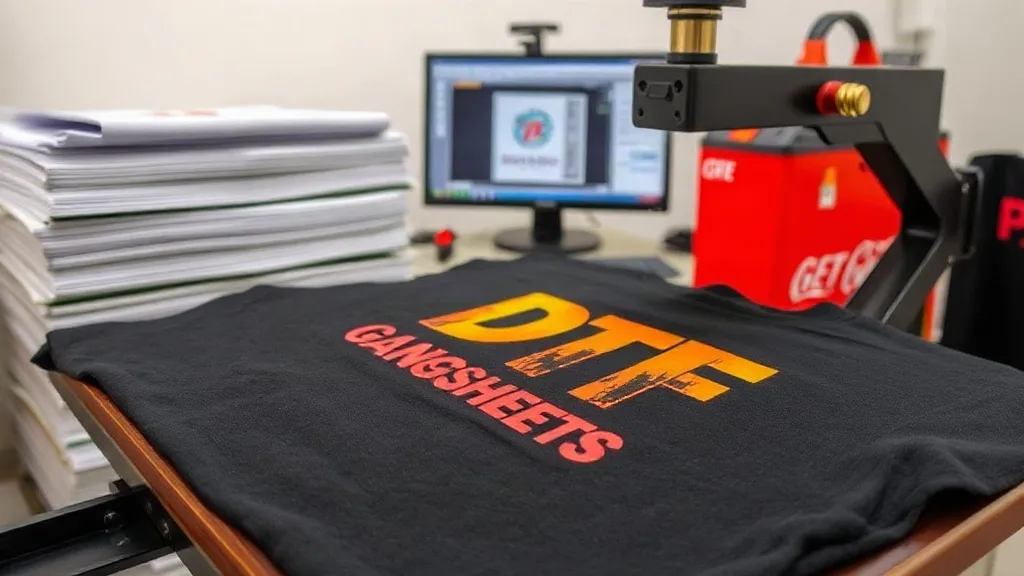
When you run a print-on-demand (POD) business, every order is a chance to build trust or lose a customer. The quality of your prints, the speed of your fulfillment, and the durability of your designs all matter. That's where dtf transfers come in. Unlike traditional screen printing or vinyl, DTF (Direct to Film) transfers let you produce vibrant, full-color designs on a wide range of fabrics without the setup costs or minimums. In this guide, I'll walk you through what DTF transfers are, why they're a game-changer for POD sellers, and how to use them effectively to grow your business.
What Are DTF Transfers and Why Should POD Sellers Care?
DTF transfers are printed on a special film using water-based inks, then coated with a hot-melt adhesive powder. When heat-pressed onto a garment, the adhesive bonds the ink to the fabric, creating a soft, durable print. For POD sellers, this means you can offer unlimited colors, intricate details, and even photographic designs without investing in screens or dealing with color separation.
But the real advantage is flexibility. You can order transfers in small batches, store them until an order comes in, and press them on demand. No more overstocking or guessing which designs will sell. Plus, DTF works on cotton, polyester, blends, and even tough fabrics like canvas and denim. That versatility opens up a world of product options, from t-shirts and hoodies to tote bags and hats.
How DTF Compares to Other POD Printing Methods
If you've been using DTG (Direct to Garment) or sublimation, you know the limitations. DTG requires pre-treatment and works best on 100% cotton, while sublimation only bonds to polyester. DTF sidesteps these issues. It adheres to almost any fabric, and the colors pop regardless of the base. The upfront cost is lower too: no expensive printers or maintenance, just a heat press and a supply of transfers.
Choosing the Right DTF Transfers for Your Products
Not all DTF transfers are created equal. The quality of the film, ink, and powder determines how well the print holds up after washing. When sourcing transfers, look for suppliers that use high-grade films and consistent powder application. A good test is to stretch the print after pressing; if it cracks easily, the adhesive might be insufficient.
For POD sellers, ordering gangsheets (large sheets with multiple designs) is a cost-effective way to stock up. You can mix different sizes and designs on one sheet, maximizing your material usage. Many suppliers offer gangsheet options, so you can upload your artwork and get a sheet ready to press. This is especially useful if you have a catalog of designs and want to keep inventory low.
Matching Transfers to Fabrics
While DTF works on many fabrics, some perform better than others. For stretchy fabrics like spandex blends, use a transfer with a flexible adhesive to prevent cracking. For heavyweight cotton, ensure enough pressure and time during pressing to penetrate the fibers. Always test press on a scrap piece before committing to a full order. And if you're using dtf transfers near me services, ask about their recommended settings for specific fabrics.
Step-by-Step Guide to Applying DTF Transfers
Applying DTF transfers is straightforward, but the details matter. Here's a reliable process that I've used in my own shop:
- Preheat the garment: Press for 5-10 seconds to remove moisture and wrinkles. This helps the transfer adhere evenly.
- Position the transfer: Place the film on the garment with the printed side up. Use heat-resistant tape if needed to keep it in place.
- Press: Set your heat press to 320°F (160°C) with medium pressure. Press for 10-15 seconds.
- Peel: Wait a few seconds for the film to cool slightly, then peel it off in a smooth, consistent motion. If the print lifts, press again for a few seconds.
- Post-press: Cover the print with a Teflon sheet or parchment paper and press for another 5 seconds to set the adhesive.
Always follow the transfer supplier's instructions, as temperatures and times can vary. A common mistake is peeling too soon or too late; both can cause the print to fail. Practice on a few scrap pieces to dial in your settings.
Common Pressing Mistakes to Avoid
Even experienced operators run into issues. Here are a few pitfalls to watch for:
- Insufficient pressure: If the press doesn't apply enough pressure, the adhesive won't bond fully, leading to premature peeling.
- Uneven heat: Cold spots on the platen can cause parts of the design to lift. Use a heat gun or infrared thermometer to check for even temperature.
- Over-pressing: Too much heat or time can scorch the fabric or cause the adhesive to bleed, resulting in a stiff, glossy finish.
- Ignoring fabric type: Not all fabrics tolerate the same settings. Always test.
Maximizing Profit with DTF Transfers
DTF transfers can be a profit center if you manage costs wisely. Ordering gangsheets reduces the per-print cost, especially for small designs. Combine multiple designs on one sheet to minimize waste. Also, consider offering a range of products beyond t-shirts: tote bags, aprons, and even pet bandanas. The versatility of dtf allows you to expand your catalog without new equipment.
Another tip: keep a digital inventory of your transfers. Label each design with its SKU and store them in a dry, cool place. When an order comes in, you can quickly locate and press the right transfer, speeding up fulfillment. This organization is crucial as you scale.
Pricing Your DTF-Printed Products
To set profitable prices, calculate your costs: transfer cost, garment cost, labor, and overhead. Then add your desired margin. Since DTF transfers are cost-effective, you can offer competitive prices while maintaining healthy profits. Don't undervalue your work; quality prints justify premium pricing.
Frequently Asked Questions About DTF Transfers
How durable are DTF transfers after washing?
When applied correctly, DTF transfers can withstand 50+ washes without significant fading or cracking. Turn the garment inside out and wash in cold water to prolong life.
Can I use DTF transfers on dark fabrics?
Absolutely. DTF transfers include a white ink layer that makes colors pop on dark backgrounds. Just ensure the transfer is designed with a white base.
What's the difference between DTF and DTG?
DTF uses a film transfer, while DTG prints directly onto the garment. DTF works on more fabrics and doesn't require pre-treatment, but DTG can be more cost-effective for large runs on cotton.
How should I store unused DTF transfers?
Keep them in a cool, dry place away from direct sunlight. Store them flat or rolled, not folded, to prevent creases.
Can I order custom DTF transfers in small quantities?
Yes, many suppliers offer gangsheets with no minimum order. You can order as few as one sheet with multiple designs.
DTF transfers have leveled the playing field for print-on-demand sellers. With a modest investment in a heat press and a reliable transfer supplier, you can produce professional-grade apparel that keeps customers coming back. Start with a small test run, refine your pressing technique, and watch your POD business grow.