
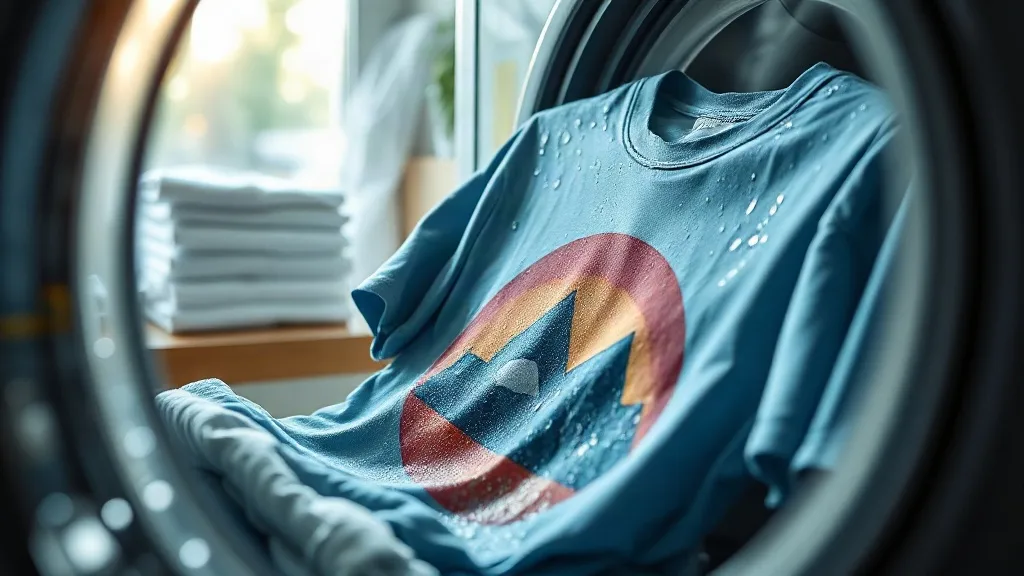
You press a perfect dtf transfers onto a premium tee, hand it to a customer, and two weeks later they send you a photo of a cracked, faded print. If that scenario sounds familiar, you are not alone. Wash durability is the single most common complaint in custom apparel, and it rarely has anything to do with the transfer itself. The culprit is almost always the way the print was applied, cured, or cared for after pressing. This guide walks you through the entire lifecycle of a dtf print, from choosing the right film to the laundry habits that keep colors vivid for dozens of cycles. Whether you run a small print shop or sell print-on-demand, the details here will help you stop reprints before they start.
Why Wash Durability Matters More Than Ever
Customers expect a custom shirt to look new after ten washes, not two. With the rise of on-demand ordering and small-batch drops, there is less room for error. A single bad batch can tank your reviews, and social media amplifies every peeling print. DTF technology has matured to the point where a properly applied transfer can outlast the garment itself, but only when every step is handled with care. The good news is that durability is not a mystery. It is a chain of small decisions, and you control every link.
The Role of Film and Powder in Long-Term Adhesion
Before the heat press even enters the picture, the quality of your transfer film and adhesive powder sets the ceiling for durability. Cheap film may release inconsistently, and low-grade powder can fail to bond fully with the fabric fibers. When you order dtf transfers near me, ask about the film thickness and the powder mesh size. A slightly thicker film with a uniform powder coating tends to survive more wash cycles because the adhesive layer is more consistent. If you print your own transfers, store unused film in a dry, dust-free place. Moisture and dust are silent killers of adhesion.
Film Storage Tips
- Keep film rolls sealed in their original packaging until use.
- Avoid storing film near heat sources or in humid basements.
- Use a dehumidifier in your production area if humidity regularly exceeds 60%.
- Rotate stock so older film gets used first.
Pressing Parameters That Build Durability
Heat, pressure, and time are the three levers you adjust at the press. Get them wrong and the print may look fine on day one but fail after the first wash. Here is a practical starting point for most cotton and cotton-blend garments:
- Temperature: 300 to 320°F (150 to 160°C). Too hot can scorch the film; too cool leaves the adhesive underactivated.
- Pressure: Medium to firm. You want the transfer to sink into the fabric texture without flattening it completely.
- Time: 10 to 15 seconds for the press, followed by a 5-second peel after cooling.
Always pre-press the garment for 5 to 7 seconds to remove moisture. A damp shirt traps steam under the transfer, and that steam becomes a bubble that peels later. If you are pressing a thick seam or a pocket, use a pressing pillow to level the surface.
Peel Temperature: Hot vs. Cold
Most DTF films are designed for a cold peel, meaning you wait until the transfer is warm to the touch before removing the carrier sheet. Peeling too hot can stretch the adhesive and leave a dull finish. Peeling too cold can cause the carrier to stick and tear the edges. Find the sweet spot by testing a scrap piece. Once you know the feel, you can repeat it consistently.
Fabric Selection and Its Impact on Wash Life
Not all fabrics are equal when it comes to holding a DTF print. Tightly woven cotton and cotton-poly blends offer the best surface for adhesion. Loosely knit fabrics, heavy fleece, and highly textured materials require more pressure and sometimes a second press cycle. Nylon and water-resistant synthetics are a different story: they often need a special low-temperature transfer or a bonding agent. If you are unsure, press a test piece and run it through three wash cycles before committing to a bulk order. That small test saves big headaches.
Common Mistakes That Shorten Print Life
Even experienced operators slip into habits that quietly reduce durability. Watch for these:
- Pressing over a seam without a pillow. The seam creates uneven pressure, so part of the print never bonds fully.
- Skipping the pre-press. Moisture is the enemy of adhesion.
- Using too much pressure. It can crush the fabric and cause the adhesive to bleed beyond the print edges.
- Stacking freshly pressed shirts. Let them cool completely before folding or bagging, or the print may stick to itself.
- Ignoring the carrier sheet instructions. Some films require a hot peel, others a cold peel. Mixing them up is a fast route to failure.
Wash and Care Instructions You Should Pass to Customers
You cannot control how customers launder their shirts, but you can guide them. Include a small care card with every order. The essentials are simple: turn the garment inside out, wash in cold water on a gentle cycle, and tumble dry on low or hang dry. Avoid fabric softener and bleach, which break down the adhesive over time. Ironing directly on the print is a definite no; if needed, iron the reverse side on low heat. These habits add months to a print's life.
What About Industrial Laundering?
If you supply uniforms or workwear that gets washed commercially, durability standards are higher. In that case, specify a transfer film rated for industrial wash and consider a post-press cure under a heat tunnel. Test a sample through the actual laundry process before scaling up.
Testing Durability Before You Ship
A simple in-house wash test can reveal problems before your customer does. Press a sample, wait 24 hours, then run it through five wash and dry cycles. Check for edge lifting, cracking, and color fade. Keep a log of film batch, press settings, and fabric type. Over time, you will build a profile of what works and what does not. Many shops skip this step because it feels slow, but it is the cheapest quality control you will ever implement.
Frequently Asked Questions
How many washes should a DTF transfer last?
A properly applied DTF transfer on a compatible fabric typically lasts 50 or more wash cycles with minimal fading or cracking. The key variables are film quality, press settings, and garment care. Cheap film or a rushed press can cut that number in half.
Can I wash a DTF shirt in hot water?
Hot water accelerates adhesive breakdown and color fade. Cold or warm water is always safer. If a customer insists on hot water, expect a shorter print life and set expectations accordingly.
Why does my DTF print crack after the first wash?
Cracking usually points to under-pressing, moisture trapped under the transfer, or stretching the print while peeling. Re-check your pre-press time, pressure, and peel temperature. A fabric that is too stretchy can also cause cracks as it moves in the wash.
Do I need to wait before washing a freshly pressed DTF shirt?
Yes. Give the adhesive at least 24 hours to fully cure and settle. Washing immediately after pressing can weaken the bond, especially on blends.
Does fabric softener ruin DTF prints?
Fabric softener leaves a residue that can degrade the adhesive over time. It also reduces the print's flexibility. Recommend customers skip it on printed garments, or use a small amount only occasionally.