
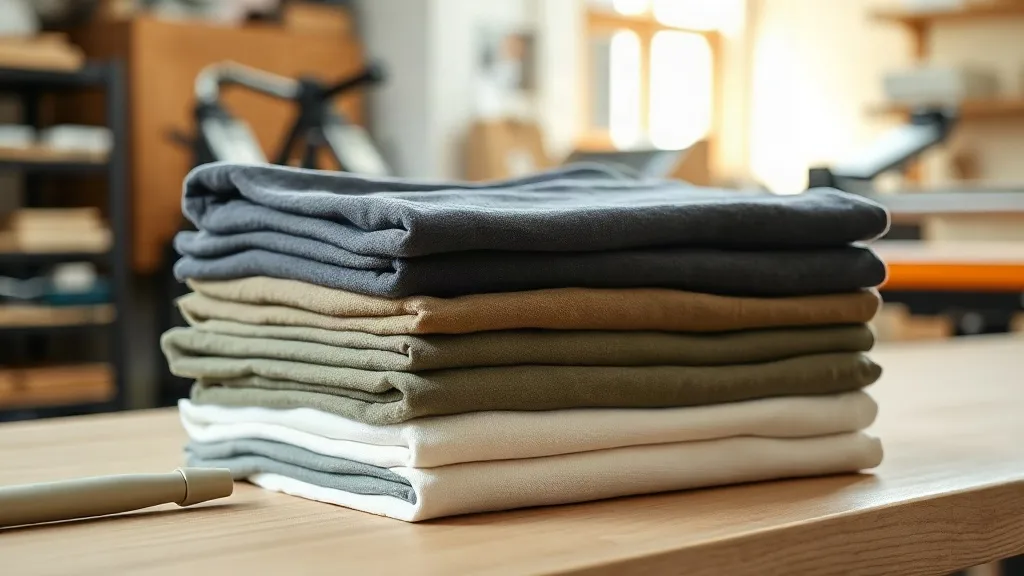
If you have spent any time sourcing blank apparel, you have probably noticed that not all heavyweight tees are created equal. Some feel stiff and unforgiving, others lose their shape after a few washes, and a few simply do not hold ink the way a production run demands. shaka wear sits in a different category. It is the kind of blank that print shops reorder without thinking twice, and that apparel brands lean on when they need a consistent base for a collection. This guide breaks down what actually matters when you are evaluating Shaka Wear for your next project, from fabric construction to how it behaves under a screen or an embroidery needle.
What Sets Shaka Wear Apart in a Crowded Blank Market
Walk into any print shop and you will find stacks of blanks from a dozen different suppliers. The reason Shaka Wear keeps showing up in those stacks comes down to a few practical qualities that matter more than marketing copy. The brand has built its reputation on heavyweight cotton tees that feel substantial in hand without crossing into uncomfortable territory. That balance is harder to achieve than it sounds.
Most heavyweight blanks on the market push past 6 ounces per square yard, and some go considerably higher. Shaka Wear typically lands in a range that gives the garment real presence while still draping naturally on the body. For a brand selling a premium basic, that sweet spot is exactly what you want. Too light and the tee feels disposable. Too heavy and customers complain about stiffness, especially in warmer months.
The construction details also hold up to scrutiny. Reinforced shoulder seams, double-needle stitching at the hems, and a ribbed collar that does not stretch out after the first wash all contribute to a garment that survives real wear. If you have ever pulled a blank out of a dryer only to find the collar looking like a deflated balloon, you understand why these details matter.
Fabric Weight and Hand Feel: What to Expect
Shaka Wear heavyweight tees generally fall in the 5.5 to 7 ounce range depending on the specific style. That puts them firmly in the heavyweight category without reaching the extreme end where garments start to feel like workwear. The cotton is typically combed and ring-spun, which gives the fabric a smoother surface and reduces the short fibers that cause pilling over time.
How the Fabric Behaves on Press and Under a Screen
For screen printers, a heavier fabric means less ink bleed and a more consistent deposit across the print area. The tightness of the knit helps hold fine detail, which is why Shaka Wear works well for both bold graphic prints and more intricate designs. Plastisol, water-based, and discharge inks all behave predictably on this fabric, though as with any blank, testing on a sample run is always wise before committing to a full production order.
Heat press applications, including DTF and vinyl, also perform well on Shaka Wear tees. The fabric tolerates the temperatures involved without scorching, provided you use a pressing pillow and follow standard temperature guidelines. The smooth surface helps transfers adhere evenly, which reduces the risk of peeling or cracking down the line.
Embroidery Considerations
Embroidery on heavyweight cotton requires a stable fabric that will not shift under the needle. Shaka Wear tees provide that stability, and the denser knit helps prevent the puckering that can occur on lighter, looser fabrics. For left-chest logos and smaller embroidery work, the fabric holds detail cleanly. Larger back designs also work, though you will want to use an appropriate backing to keep the stitch count manageable and the drape comfortable.
Shaka Wear vs. Other Blanks: A Practical Comparison
Buyers often compare Shaka Wear with smart blanks, and for good reason. Both brands occupy the premium blank space, but they serve slightly different needs. Smart Blanks tends to appeal to buyers looking for a specific combination of weight and finish, while Shaka Wear leans into a more rugged, substantial feel that suits streetwear and workwear-inspired collections.
The practical difference shows up in how each blank performs across a full production run. Shaka Wear's consistency from unit to unit is one of its strongest selling points. When you are printing 500 pieces, you do not want to discover halfway through that the fabric weight varies or that the collar construction has changed. That kind of reliability is what keeps print shops coming back.
- Fabric weight: Shaka Wear leans heavier, with a more substantial hand feel.
- Print performance: Both handle screen printing well, but Shaka Wear's tighter knit holds fine detail with less bleed.
- Drape and fit: Shaka Wear tends to run a bit boxier, which suits relaxed and streetwear silhouettes.
- Price point: Comparable, though volume pricing and availability vary by supplier.
Sizing and Fit: What Your Customers Should Know
Shaka Wear tees generally run true to size, though the boxier cut means customers who prefer a slimmer fit may want to size down. For brands building a size chart, it helps to include garment measurements rather than just body measurements. Chest width, body length, and sleeve length from the shoulder seam give customers a clearer picture of how the tee will actually fit.
If you are selling online, consider adding a note about shrinkage. Heavyweight cotton can shrink slightly after the first wash, typically around 3 to 5 percent depending on washing and drying conditions. Pre-shrunk blanks reduce this, but it is still worth mentioning in your product descriptions so customers know what to expect.
Building a Brand Around Shaka Wear
Many apparel brands start with a single blank and build an identity around it. Shaka Wear works well for that approach because the tee itself communicates quality before the customer even reads your brand name. The weight, the stitch quality, and the way the garment holds its shape all contribute to a first impression that feels considered rather than cheap.
For print-on-demand sellers, this matters even more. Customers cannot touch the product before buying, so the photos and descriptions have to do the heavy lifting. A blank that photographs well and matches its description builds trust. Shaka Wear tees tend to photograph cleanly, with a smooth surface that shows print colors accurately and a structure that holds its shape on a hanger or a model.
Common Questions About Shaka Wear
Is Shaka Wear good for screen printing?
Yes. The heavyweight cotton and tight knit hold ink well, whether you are using plastisol, water-based, or discharge inks. The fabric resists bleed and holds fine detail, making it suitable for both simple and complex designs.
How does Shaka Wear fit compared to other heavyweight tees?
Shaka Wear tends to run true to size with a boxier cut than some competitors. Customers who prefer a slimmer fit may want to size down, while those who like a relaxed, streetwear-inspired silhouette will find the standard fit comfortable.
Does Shaka Wear shrink after washing?
Like most heavyweight cotton tees, Shaka Wear can shrink slightly after the first wash, typically around 3 to 5 percent. Pre-shrunk styles reduce this, but it is always a good idea to mention potential shrinkage in your product listings so customers know what to expect.
Can I use Shaka Wear for embroidery?
Absolutely. The stable, dense fabric holds embroidery stitches cleanly and reduces puckering. Use appropriate backing for larger designs, and the tee will handle left-chest logos and back designs alike.
Is Shaka Wear suitable for print-on-demand?
Yes. The consistent fabric quality and clean surface make Shaka Wear a reliable choice for print-on-demand. The tees photograph well, hold their shape, and match their descriptions, which helps build customer trust in an online-only buying experience.